TL;DR: This Korean appliance guide recommends air fryers ($35-60) and robot vacuums ($150-300) as top solo living essentials - buy for daily convenience and time-saving benefits.
When you first move into your own place, it's tempting to buy everything. But honestly? Most of it ends up collecting dust. After three years of living solo, I've figured out what actually gets used every day — and what ends up on the secondhand market within a month.
Here are the 10 appliances that genuinely made my solo life better, ranked by how much I'd miss them if they disappeared.
Do I need an air fryer for cooking alone?
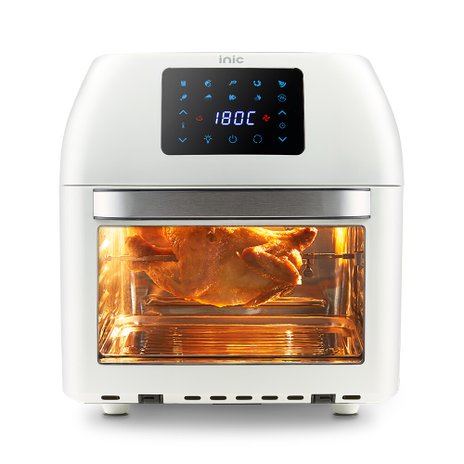
The undisputed king of solo living appliances. Frozen chicken nuggets, fries, roasted sweet potatoes, even steamed eggs — the list of what you can make is endless. No oil, crispy results, and most importantly, it lowers the "I'm too lazy to cook" barrier to almost zero.
For a one-person household, 3~5L capacity is the sweet spot. Digital controls beat dial-type for temperature accuracy. Good models run about ₩50,000~80,000 ($35~60), which is incredible value for something you'll use daily.
👉 Check out our air fryer review (Coupang)
Is a robot vacuum worth it for single living?
"I clean just fine by myself" — that's what everyone says until they try a robot vacuum. Press a button before leaving for work, come home to clean floors. Once you experience this, there's no going back. Small apartments are actually perfect for robot vacuums since they can cover the whole space in 10~15 minutes.
Look for models with LiDAR navigation for accurate room mapping. The ₩200,000~400,000 range ($150~300) offers the best value. Mopping capability is a nice bonus.
👉 Check out our robot vacuum review (Coupang)
Should I buy a dryer for my apartment?
Hanging laundry in a small apartment means humidity, musty smells, and a drying rack eating up your limited space. In winter, clothes take days to dry. In the rainy season, they start smelling sour. A dryer solves all of this — toss clothes in and they're done in 1~2 hours. Fluffy towels are a life-changing experience.
Compact dryers (3~4kg) are the realistic choice for small apartments at ₩300,000~500,000. If you've been paying for coin laundry dryers, it pays for itself in months.
👉 Check out our dryer review (Coupang)
Do I really need an electric kettle?
I can't imagine a solo apartment without one. Morning coffee, instant noodle water, tea — you'll use it multiple times a day. Way faster than a stovetop and costs almost nothing to run.
For solo use, 0.8~1L capacity is perfect. Temperature control is great if you're into pour-over coffee or tea. Basic models start at ₩10,000~20,000, and temperature-controlled ones run ₩50,000~80,000.
👉 Check out our electric kettle review (Coupang)
Is a microwave essential for solo living?
The lifeline of solo living. Reheating convenience store meals, defrosting frozen rice, warming up leftovers — it's hard to function without one. YouTube is full of microwave-only recipes too, so you can do more than just reheat.
Around 20L capacity fits most small kitchens. Basic models cost ₩50,000~80,000, while grill/oven combos run ₩100,000~200,000. If you just need reheating, the basic is fine. Go with a brand name for easier after-sales service.
👉 Check out our microwave review (Coupang)
Should I get a dishwasher living by myself?
"A dishwasher for one person?" Actually, solo dwellers need it MORE. When you live alone, you procrastinate on dishes. "It's just a couple plates" turns into a mountain in the sink, which kills your motivation to cook, which leads to ordering delivery every day. A countertop dishwasher breaks this cycle.
Look for a direct-water compact dishwasher — no plumbing work needed, just hook it up to your faucet. 3~4 person capacity handles a full day of solo dishes easily. ₩200,000~400,000 is the going range, and detergent costs just a few thousand won per month.
👉 Check out our dishwasher review (Coupang)
Do I need a cordless stick vacuum too?
Different use case from the robot vacuum. The robot handles daily floor maintenance; the stick vacuum is for spot cleaning — crumbs on the table, dust in sofa crevices, window sills, keyboard dust. Grab it, clean, done.
Key specs: suction power and battery life. 20+ minutes of battery is plenty for a small apartment. Under 1.5kg means comfortable one-handed use. The ₩100,000~200,000 range offers great value.
👉 Check out our cordless vacuum review (Coupang)
Is an air purifier necessary for small spaces?
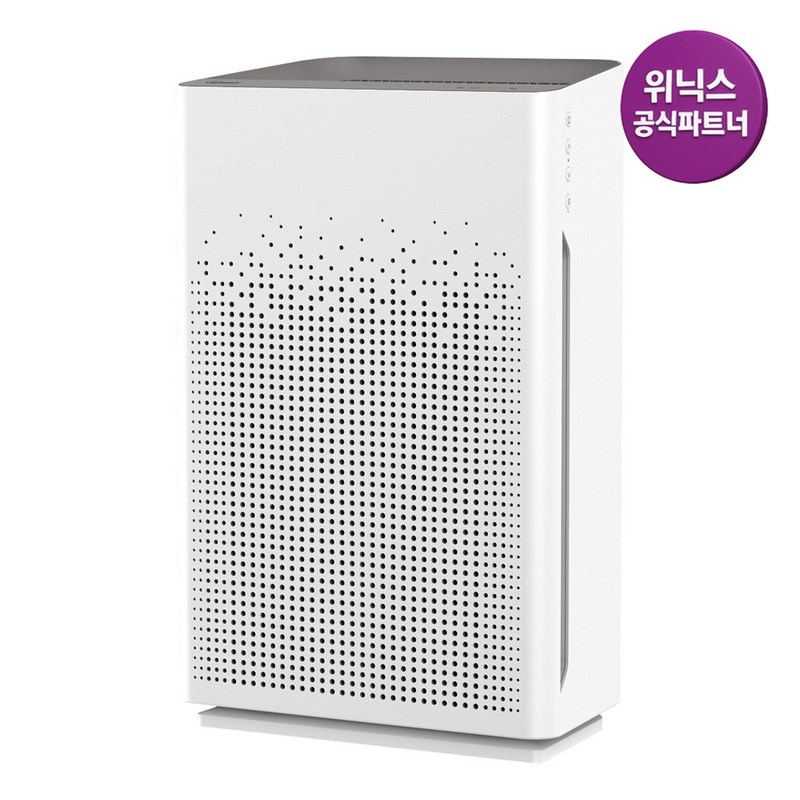
Korea's fine dust seasons (spring yellow dust, winter micro-dust) make this essential. A small apartment only needs a compact unit to cover the whole space. If you have allergies or nasal congestion, this is non-negotiable.
Check for H13 HEPA filters or better. 15~20 pyeong coverage is plenty. Low-noise models can run overnight. Budget ₩100,000~250,000. Don't forget to factor in filter replacement costs (₩20,000~50,000 every 6~12 months).
👉 Check out our air purifier review (Coupang)
Should I invest in a humidifier?
Korean winters with floor heating (ondol) drop indoor humidity to 20~30%. Dry nose, cracked skin, static shocks everywhere, scratchy throat every morning — a humidifier fixes all of this. Maintaining 40~60% humidity also helps prevent colds and improves sleep quality.
Ultrasonic types are affordable with strong output but need regular cleaning. Evaporative types are more hygienic but pricier. For solo apartments, ultrasonic + weekly cleaning is the practical choice. Prices: ₩30,000~80,000 for ultrasonic, ₩100,000~200,000 for evaporative.
👉 Check out our humidifier review (Coupang)
Do I need a bidet in my bathroom?
Once you use one, you can never go back to an unequipped toilet. The heated seat alone is worth it in winter. Korean bidet seats are easy to install — just place on your existing toilet and connect a hose. Thirty minutes with a YouTube tutorial and you're done.
Basic models (warm water + heated seat) run ₩50,000~100,000. Full-featured models with drying and deodorizing are ₩150,000~300,000. An incredible quality-of-life upgrade for any apartment.
👉 Check out our bidet review (Coupang)
Do I have to buy all these at once?
Here's my recommended buying order:
Phase 1 (move-in day): Electric kettle → Microwave → Air fryer. These three cover your basic food needs for under ₩100,000.
Phase 2 (first paycheck): Cordless vacuum → Humidifier (winter) or Air purifier (spring). Buy what the season demands.
Phase 3 (when budget allows): Robot vacuum → Dishwasher → Dryer → Bidet. These are the "nice to have" items that completely transform your quality of life.
Home appliances for solo living are really about buying back time and energy. Less time on chores means more time for the things you actually enjoy.
This post contains affiliate links.