TL;DR: This comparison review doesn't specify a single product or price, so skip for actual buying advice - need specific model recommendations.
Shopping for new earbuds? You've probably noticed bone conduction headphones popping up everywhere lately. They used to be a niche product, but runners and cyclists have turned them mainstream. So how do they stack up against regular wireless Bluetooth earbuds?
Let's break it down.
What are bone conduction headphones?
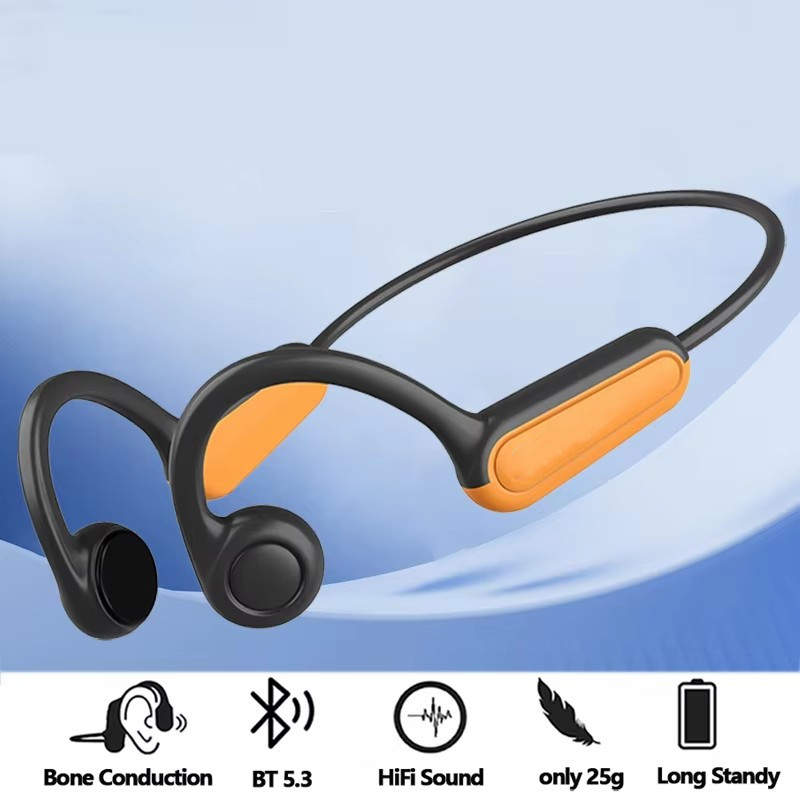
Bone conduction headphones sit on your cheekbones and send sound through vibrations in your skull, bypassing your ear canal entirely. Your ears stay completely open, so you hear everything around you — cars, people, dogs, all of it.
The trade-off? Bass is noticeably weaker, and at higher volumes, sound can leak out. But for outdoor safety, nothing beats them.
Check out our bone conduction headphones review for a closer look.
What are wireless Bluetooth earbuds?
These are your standard TWS (True Wireless Stereo) earbuds — the kind that sit inside your ear canal. Most modern pairs come with ANC (Active Noise Cancellation), solid bass response, and reliable call quality. They're the all-rounders of the audio world.
The downside is that they block outside sound almost completely, which can be a safety concern outdoors.
For details, see our wireless Bluetooth earbuds review.
How do bone conduction and wireless earbuds compare?
| Feature | Bone Conduction | Wireless Earbuds |
|---|---|---|
| Wear style | On cheekbones (open ear) | In-ear (canal) |
| Ambient sound | Fully audible | Blocked (near-zero with ANC) |
| Sound quality | Mid-tier (weak bass) | High (balanced profile) |
| Call quality | Average (wind sensitive) | Good (close mic) |
| Exercise fit | Excellent (sweat-proof, secure) | Moderate (may fall out) |
| Battery | 6~8 hours | 5~8 hrs (20+ with case) |
| Long-wear comfort | No ear fatigue | Can get uncomfortable |
| Price range | $30~80 | $20~200+ |
Which option should I choose?
Go bone conduction if you
- Run, cycle, or hike regularly and need to hear traffic
- Find in-ear buds uncomfortable or have ear canal issues
- Want to listen at work while staying available to colleagues
- Prioritize safety and comfort over pure sound quality
Go wireless earbuds if you
- Care most about music quality and bass
- Commute on noisy trains or buses
- Take lots of phone calls
- Want the widest range of options and price points
What's the final recommendation?
These two aren't really competitors — they're different tools for different jobs.
For outdoor sports, bone conduction wins on safety and comfort by a mile. For music listening and commuting, wireless earbuds deliver a much richer audio experience. If your budget allows, owning both is the ideal setup: bone conduction for workouts, wireless earbuds for everything else.
Forced to pick one? Active outdoor types should start with bone conduction. Everyone else will probably be happier with wireless earbuds first.
What other products should I consider?
- Air Fryer vs Electric Grill — Which Kitchen Appliance Should You Get First?
- Heated Blanket vs Heating Pad — Which Winter Warmer Do You Need?
- Neck Fan vs Clip Fan — Which Portable Fan Should You Get?
This post contains affiliate links. We may earn a small commission at no extra cost to you.