TL;DR: Electric toothbrushes offer superior plaque removal and built-in timers but require charging, while manual brushes work fine with proper technique - buy electric if you need brushing guidance.
Electric toothbrush ads love to throw around numbers like "100x more plaque removal!" But is the difference really that dramatic? Is a regular toothbrush truly not enough?
Short answer: there is a real difference. But an electric toothbrush isn't the right move for everyone. Let's compare.
What are the key features of electric toothbrushes?
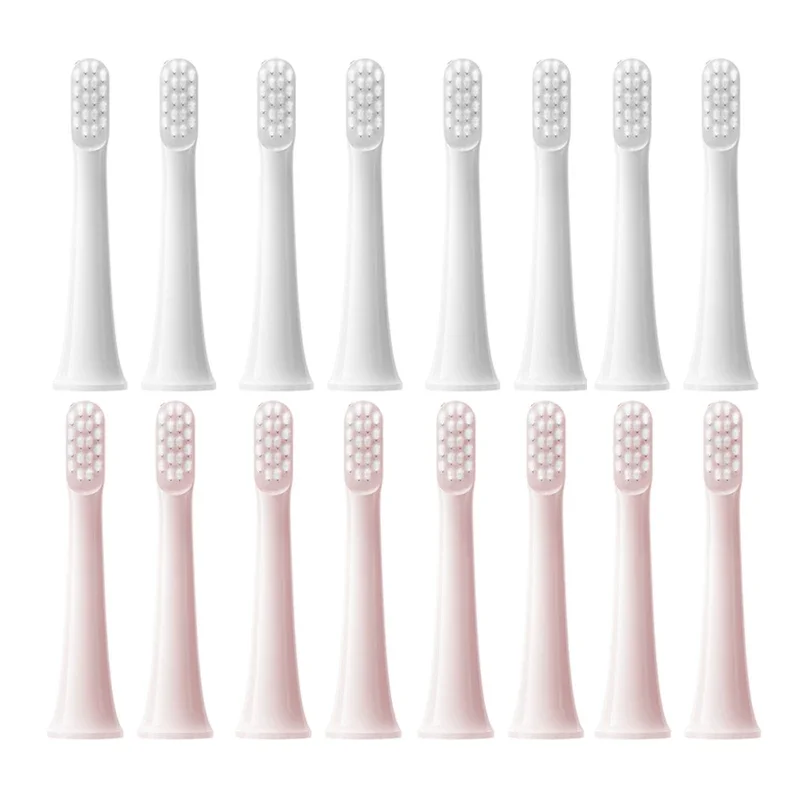
An electric toothbrush uses a motor to vibrate or oscillate the brush head at high speed. Sonic models hit 30,000+ strokes per minute — way beyond what your hand can do. Most come with a 2-minute timer and 30-second quadrant alerts, so you brush evenly every time.
The consistent pressure also reduces the risk of gum damage from brushing too hard.
For details, check our sonic electric toothbrush review.
What are the benefits of manual toothbrushes?
A manual toothbrush relies on your technique and effort. With proper Bass method brushing for 3+ minutes, cleaning effectiveness is perfectly fine. No charging needed, and the price is negligible — about $1 per brush.
The catch: most people don't actually brush correctly or long enough. Studies consistently show average brushing time is under 60 seconds.
How do electric and manual toothbrushes compare?
| Feature | Electric Toothbrush | Manual Toothbrush |
|---|---|---|
| Cleaning power | High (vibration removes plaque) | Technique-dependent |
| Gum care | Pressure sensor available | Risk of over-brushing |
| Brushing time | 2-min timer built in | Self-timed (usually shorter) |
| Convenience | Motor does the work | Wrist movement required |
| Price (device) | $20~120 | $1~5 |
| Maintenance | Head replacement every 3 months | Brush replacement every 3 months |
| Portability | Heavier, needs charging | Light, goes anywhere |
| Noise | Vibration hum | Silent |
Which toothbrush type should you choose?
Switch to electric if you
- Tend to rush through brushing
- Have sensitive gums or gum disease
- Are wearing braces and need thorough cleaning
- Want consistent results without perfect technique
Stick with manual if you
- Already practice proper brushing technique
- Travel frequently and prefer lightweight gear
- Want to minimize ongoing costs
- Find the vibration sensation uncomfortable
Is an electric toothbrush worth the upgrade?
An electric toothbrush is a technique equalizer — it guarantees a baseline of cleaning quality regardless of your skill. A manual toothbrush works just as well if you brush properly, but "properly" is harder than most people think.
The simple rule: If you're not confident in your brushing, switch to electric. If you're already thorough, manual is perfectly fine. Budget sonic toothbrushes start around $25, so it's easy to try one and decide.
What other oral care products should you consider?
- Complete Guide to AliExpress Shipping to Korea (2026)
- Espresso Maker vs Coffee Grinder — Which Home Cafe Gear to Buy First?
- AliExpress vs Coupang — Which Is Cheaper?
This post contains affiliate links. We may earn a small commission at no extra cost to you.