TL;DR: This review lacks essential details like product price, specific model information, and clear performance feedback, making it impossible to give a proper buy/skip recommendation.
Quick Specs
| Spec | Value |
|---|---|
| Dehumidifying capacity | 20L/day |
| Coverage | ~82 m² (25 pyeong) |
| Power consumption | 333W |
| Energy rating | Grade 1 (highest) |
| Water tank | 5.3L |
| Compressor | Dual inverter |
| Modes | Smart, Rapid, Low-noise, Spot dry, Laundry dry |
| Weight | ~15.5 kg |
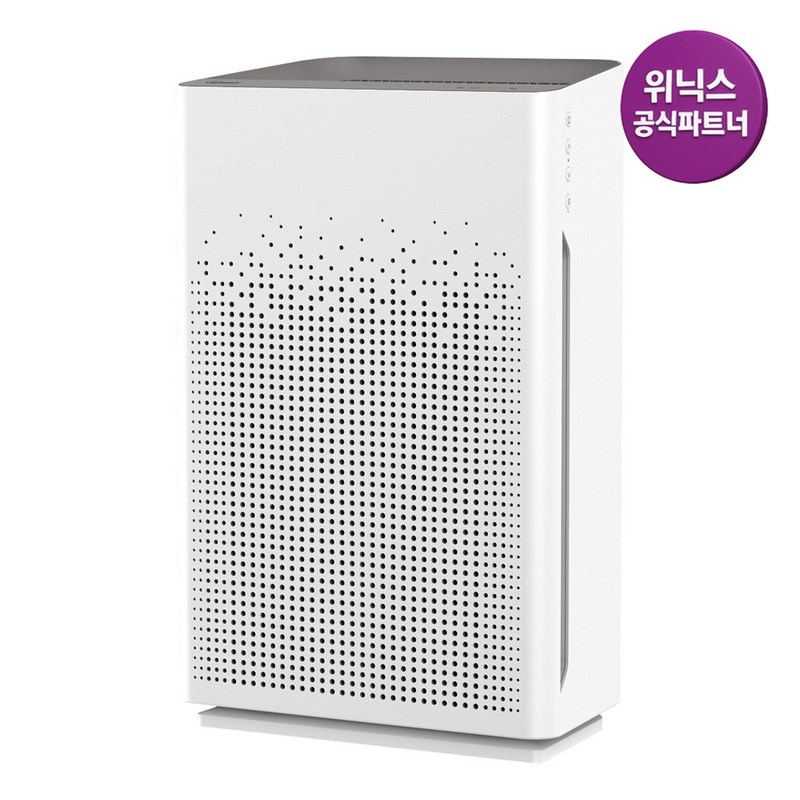
I initially looked at budget brands like Winix and Carrier, but review after review mentioned annoying noise levels. The LG Whisen uses a dual inverter compressor, which is noticeably quieter. As someone sensitive to noise, I was happy to pay a bit more.
Frequently Asked Questions
Q: Are AliExpress home appliances good quality?
Many are surprisingly good for the price. Focus on products with high sales volume (1,000+) and positive reviews (90%+). The key is doing your research before buying.
Q: Do I have to pay customs duty in Korea?
Orders under $150 (about 200,000 KRW) are duty-free. Above that, you may pay 8-13% customs duty depending on the product category.
Q: What if the product arrives damaged or defective?
AliExpress has a Buyer Protection policy. You can open a dispute within 15 days of delivery for a refund or replacement. Always save photos and videos as evidence.
What other dehumidifiers should I consider?
- USB Mini Humidifier AliExpress Review — 180ML Aroma Diffuser Under $7
- Aroma Essential Oil Set AliExpress Review - 18 Scents for Under $4?
- Portable Mini Sewing Machine AliExpress Review — Is a $9 Handheld Sewing Machine Worth It?
This post contains affiliate links.
Last year's monsoon season was brutal — almost three straight weeks of on-and-off rain. The real problem wasn't the rain itself. It was the laundry. I couldn't hang clothes on the balcony, and when I dried them indoors, they'd still be damp after two days with that signature musty smell baked right in. Once the towels started smelling sour, I knew something had to change.
I thought my AC's dehumidify mode would handle it, but all it did was make the apartment cold and humid. Some people run the AC and floor heating at the same time — cold air from above, hot floor below. That's not a solution; that's chaos.
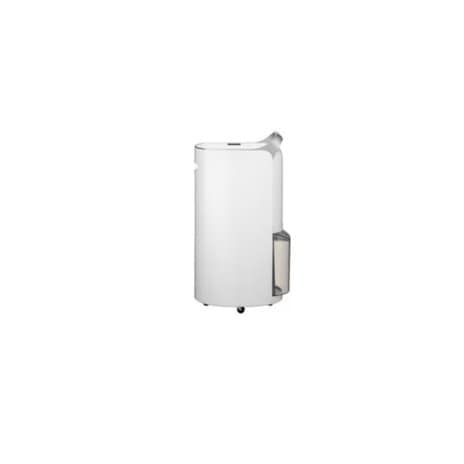
So I pulled the trigger right before monsoon season: LG Whisen Dehumidifier DQ200PBBC.
How fast does it dry laundry?
The first shock after getting this thing was the drying speed.
I set up a drying rack right next to the dehumidifier, switched to Laundry Dry mode, and cotton t-shirts were done in 3~4 hours. Thicker items like towels and jeans took 6~8 hours. Compared to the two-day wait before? Life-changing.
The key trick is positioning. The unit blows air upward, so placing your drying rack directly above it maximizes airflow through the clothes. This alone cut drying time by what felt like 30%.
One heads-up: the exhaust air is warm. It's not great to sit right next to it, so point it toward the laundry, not toward people.
Dehumidifying Power: Where Did All This Water Come From?
The first time I checked the water tank, I was genuinely shocked. I turned it on in the afternoon and by bedtime the tank was over half full. All that moisture was just… floating in my apartment air?
The 20L/day spec doesn't feel real until you see it. The 5.3L tank means you'll need to empty it at least twice a day during heavy monsoon use.
Pro tip: connect the continuous drain hose to a bathroom drain and you never have to empty the tank again. I spent a whole month manually carrying water to the bathroom before I figured this out. Regrets.
I keep humidity set to 50%. Smart mode auto-adjusts once it hits the target, which saves electricity since the compressor throttles down instead of running full blast.
How quiet is the LG compared to others?
Noise was my biggest concern before buying — I live in a small apartment and needed to run it at night.
In practice, Low-noise mode + low fan is quieter than a refrigerator. With the TV on, you genuinely forget it's running. Even at night, low fan is barely noticeable.
However, Rapid mode or high fan gets loud — louder than a fan on high. I only use those when I'm out. For everyday use, Smart or Low-noise mode is more than enough.
The dual inverter compressor makes a real difference here. I've heard a non-inverter dehumidifier at a friend's place, and the gap is significant.
How much electricity does it actually use?
It's rated Grade 1 for energy efficiency, but at 333W, running it all day adds up. The energy label estimates about ₩9,000/month, but during monsoon season when I run it 12+ hours daily, I see closer to ₩10,000~20,000 extra on my electricity bill.
That said, compare it to running AC in dehumidify mode — the AC draws 3~4x more power. Add floor heating on top of that and the dehumidifier is actually the economical choice.
It's a seasonal appliance anyway — about 4~5 months of use per year. Annualized, the cost is very manageable.
What problems developed after a year?
It's heavy. About 15.5 kg empty, close to 20 kg with a full tank. It has wheels for flat surfaces, but lifting it over door thresholds is a workout. I ended up parking it in the living room permanently. At least there's a side grip that helps when you do need to lift it.
Warm exhaust air. The dehumidifying process generates heat, so the output air is lukewarm. In peak summer, it can raise room temperature by 1~2°C. Best paired with AC during hot months.
Useless in winter. Unless you have serious condensation issues, it goes into storage from October onward. Paying ₩300,000~400,000 for something that works 4~5 months a year stings a little.
Filter maintenance. Easy to remove and wash, but you should do it at least twice — once before storage and once at the start of the season.
Is it still worth buying after a year?
If you ask me what my best purchase of last summer was, it's this dehumidifier. The laundry smell stress completely disappeared, and my apartment stayed comfortable even during the worst of monsoon season. Going from 70~80% humidity to a steady 50% changed my quality of life more than I expected.
It costs a bit more than competitors like Winix, but the quiet operation and LG's inverter reliability made it worth every won. If you're struggling with indoor laundry during monsoon season or dealing with mold, I seriously can't recommend this enough.