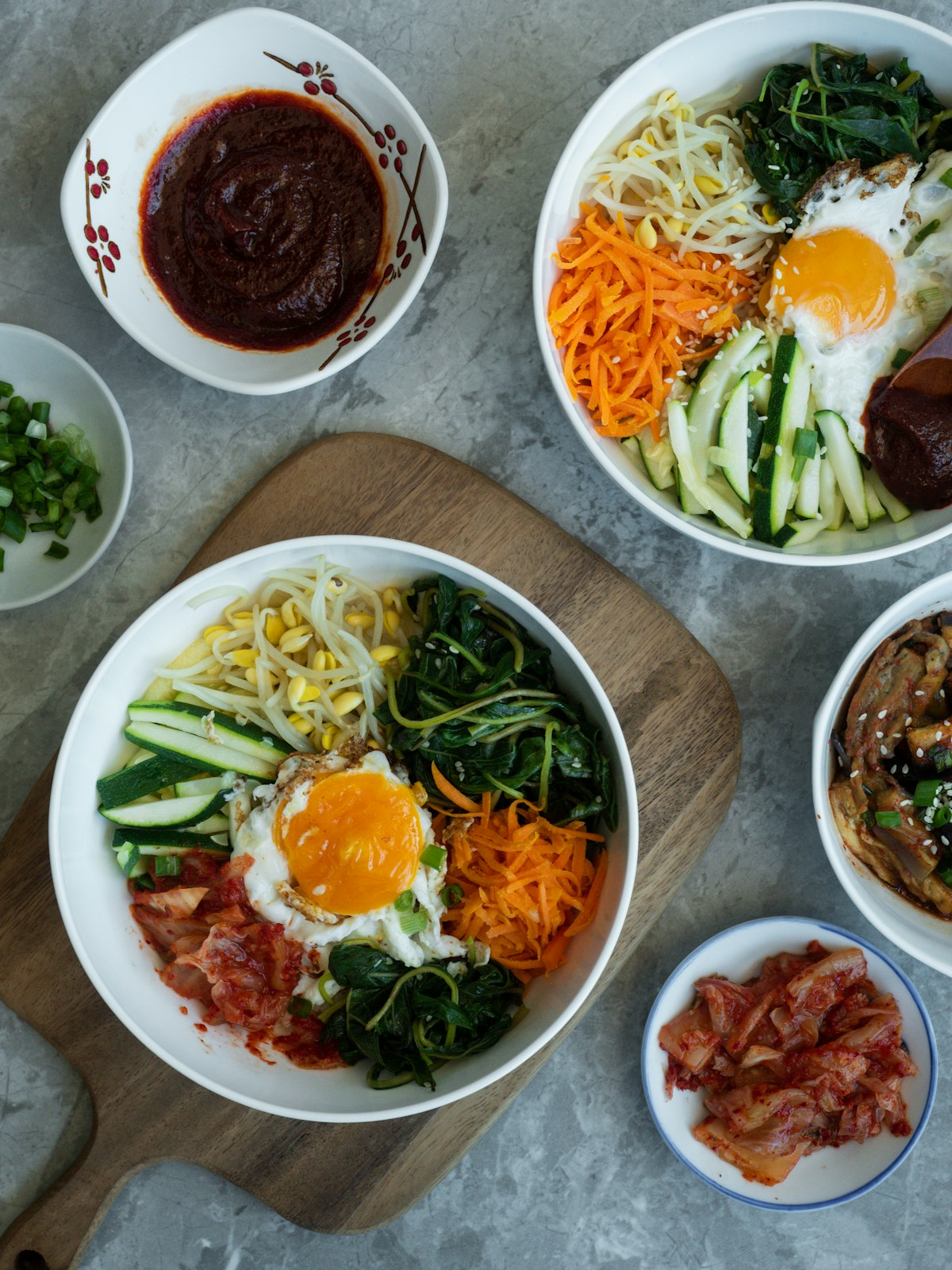
It's 11:47 PM on a Tuesday. You've just realized your electricity bill is due tomorrow, your phone is at 3%, you have nothing in the fridge, and you still need to send a package to a friend in Busan. In most countries, you'd be out of luck until morning. In Korea, you throw on shoes, walk 90 seconds down the street, and solve all four problems before midnight at the same well-lit, air-conditioned convenience store that also sells surprisingly decent wine.
This is not an exaggeration. The Korean convenience store — 편의점 (pyeon-ui-jeom) — is one of the first things that genuinely impresses foreigners when they arrive, and one of the things they miss most when they leave. With roughly 55,000 stores nationwide as of 2024, Korea has one of the highest convenience store densities in the world. In Seoul, that works out to approximately one store per 1,000 residents. In busy neighborhoods, you can sometimes see two or three on a single block. The four dominant chains — CU, GS25, 7-Eleven Korea (operated by Lotte), and Emart24 — are open 24 hours, 365 days a year, no exceptions.
But the store count and the hours are almost beside the point. What actually matters is what you can do there. Most foreigners arrive thinking Korean convenience stores are like 7-Elevens back home: drinks, snacks, maybe a hot dog. They figure it out eventually, usually by accident. This guide is for figuring it out on purpose.
So What Can You Actually Do There?
Can I send a package?
Yes, and it's shockingly easy. GS25, CU, and 7-Eleven all offer domestic parcel delivery via partnerships with major couriers (CJ Logistics for CU, GS Postbox for GS25). You bring your pre-wrapped package to the kiosk, enter the recipient's details, confirm the weight, print the label, attach it, leave the package in the designated area, and pay at the counter. Weight limit is up to 30 kg. Delivery is typically next-day or two-day within Korea.
The kiosk is in Korean, and you normally need an account on the courier's app — but if you're stuck, staff can usually walk you through it. One important caveat: this service is domestic only. For international shipping, you need a Korea Post (우체국) branch.
Can I pick up a package there?
Also yes, and this one is a game-changer if you live in a goshiwon, a studio without a doorbell, or anywhere you can't reliably receive deliveries. Most major Korean online retailers — including Coupang, Kyobo, and Interpark — let you select "편의점 수령" (convenience store pickup) at checkout. Your package gets delivered to the store, you get an SMS or email with a tracking code, and you show up whenever it's convenient. Packages are typically held for three to five days before being returned, so don't wait too long.
What about paying bills?
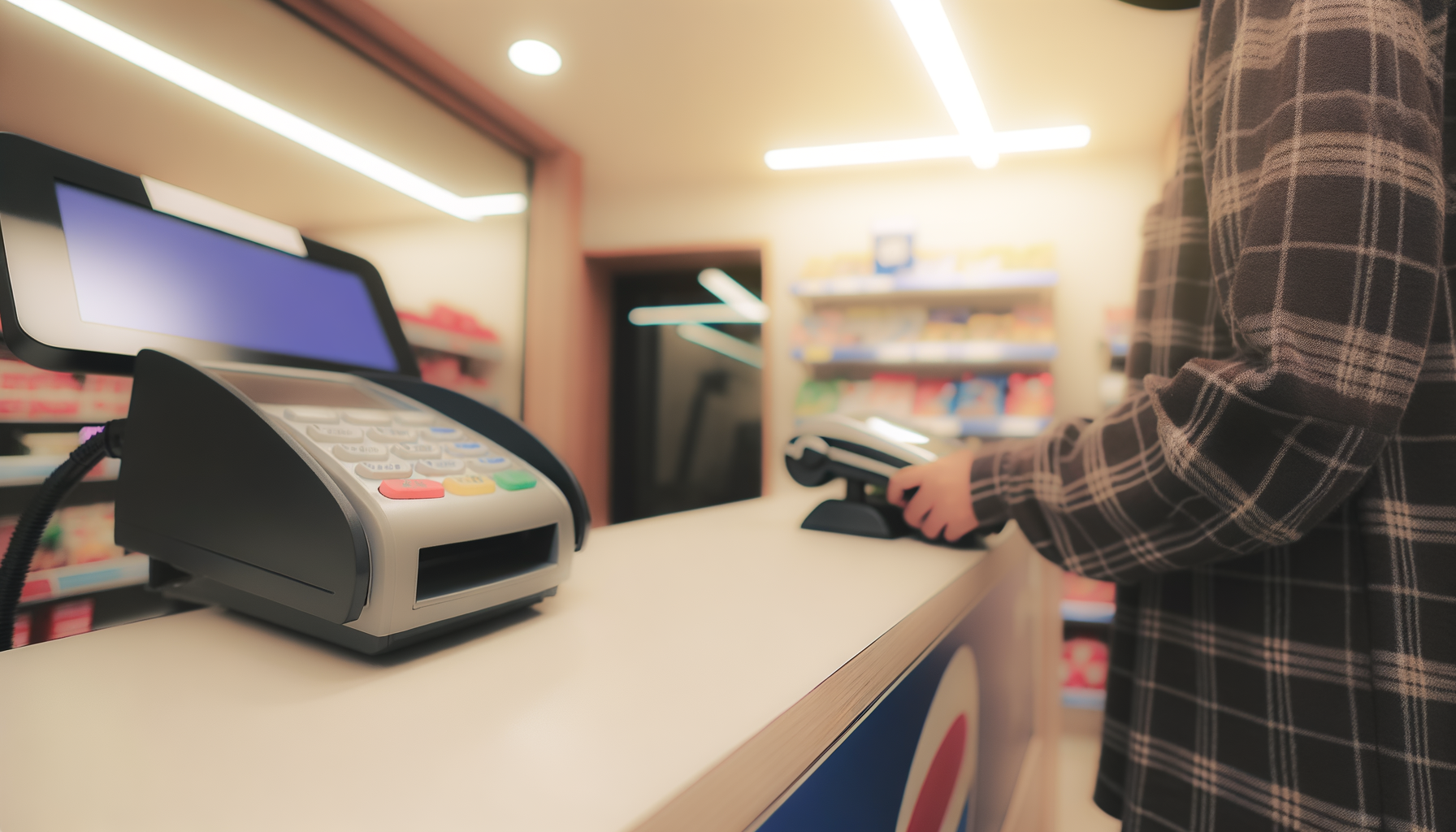
Utility bills — electricity, gas, water, internet, phone — can be paid at the counter. Hand your paper bill to the cashier or give them the account number, and they'll handle it. For residents (as opposed to tourists), this is genuinely useful. Some stores also have kiosks for direct payment, though those are Korean-interface-only.
The ATM situation
Nearly all medium-to-large stores have ATMs, and this is honestly where convenience store ATMs shine for foreigners. International cards (Visa, Mastercard, Maestro) are more reliably accepted here than at many bank branches. The fee is approximately 3,000–4,000 KRW per transaction, which is standard. Withdrawal limits vary by machine — the research for this post found figures ranging from 100,000 KRW on older machines up to 700,000 KRW per transaction on newer ones, so check directly if you need a large amount. GS25 and CU ATMs tend to have English-language interfaces and better foreigner card compatibility.
If you need Korean won and it's any hour at all, the convenience store ATM is your most reliable option. This is not a tip people tell you before you arrive, but it should be.
Transport cards and top-ups
T-money and Cashbee transit cards — which you'll use for every subway and bus trip — can be purchased and recharged at the counter at any major chain. Hand the card to the cashier, tell them (or show on your phone) how much you want to add, pay in cash. No Korean required beyond pointing. T-money cards cost around 2,500–3,000 KRW for the physical card itself. Buy one immediately after arriving. You can also use T-money to pay for things at convenience stores.
Printing? In a convenience store?
In larger stores, particularly those near universities and office districts, yes. Multifunction kiosks handle document printing (PDF via USB or phone), photocopying, scanning, and sometimes fax. Costs are typically 50–100 KRW per black-and-white page. GS25 and CU are more likely to have these. The interface is Korean-only, so bring patience or a helpful phone translation app. That said, availability varies significantly by location — if you're counting on this for something important like visa documents, confirm before you make the trip. Not every store has these kiosks.
Garbage bags, SIM cards, lottery tickets
This one catches every foreigner off guard: Korea requires official designated garbage bags (종량제 봉투) for household waste disposal. You cannot just use any bag. These are sold at convenience stores in multiple sizes, and if you're living in Korea (even temporarily in a non-hotel), you need them. Pick up a pack of the appropriate size for your neighborhood.
SIM cards for tourists are available at larger locations, particularly near airports and tourist areas. Bring your passport — staff may need it for activation. Neighborhood stores often don't stock SIMs, so don't bank on your local corner store for this one.
Lottery tickets (복권 — Lotto, scratch cards), bus tickets, concert and movie ticket kiosks, prepaid game and app store cards, and basic over-the-counter medications are also standard fare.
What's Actually Worth Eating?
The short answer: more than you'd expect, and often at prices that would make you embarrassed to admit how often you're eating here.
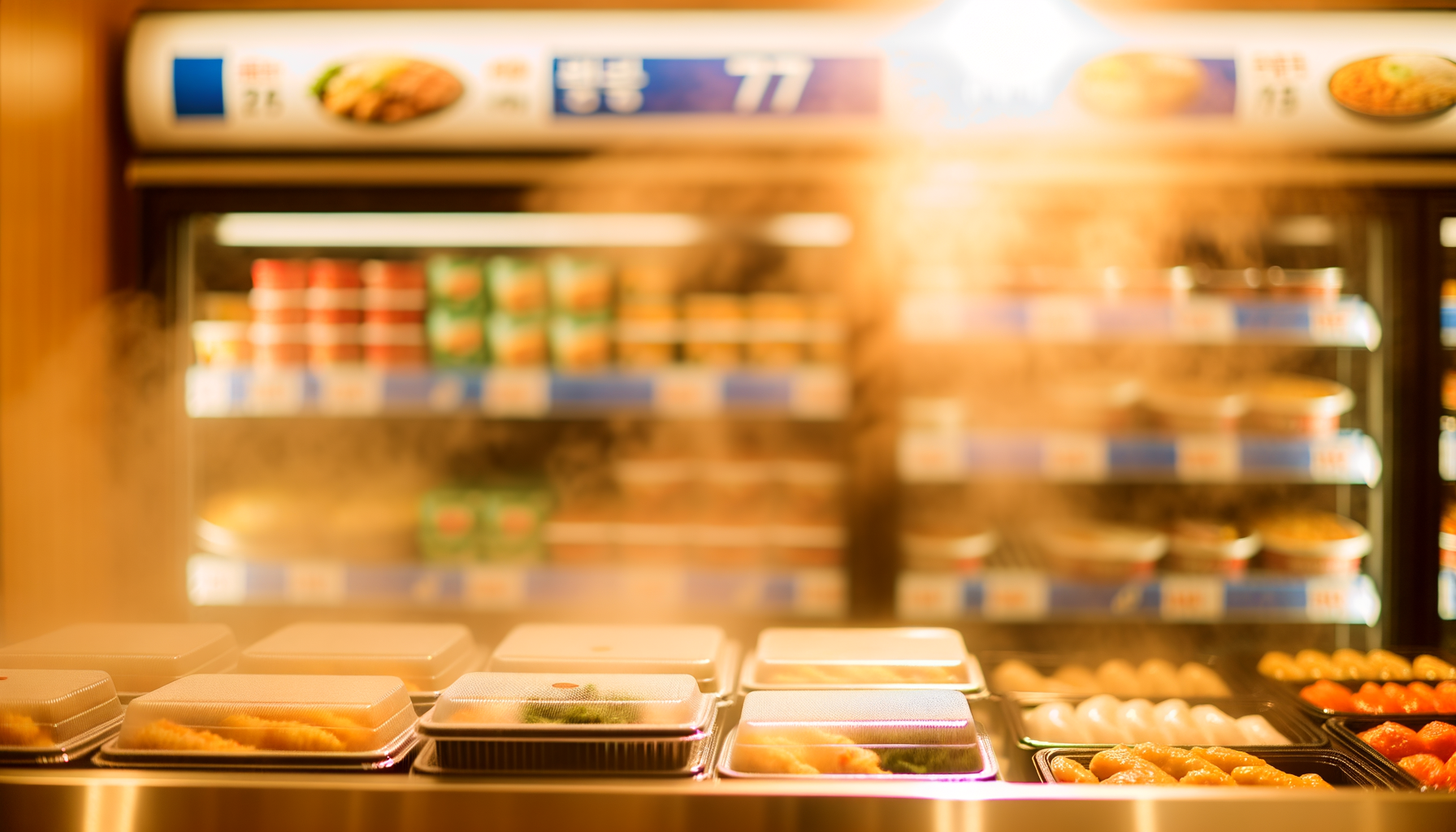
The triangle kimbap (삼각김밥) at around 1,000–1,500 KRW is the quintessential convenience store food — tuna mayo, spam, kimchi, and a dozen other fillings, wrapped in seaweed, with packaging designed so you don't touch the rice with your hands. Cup ramen runs 1,000–2,000 KRW; hot water dispensers are free and available at all major chains. GS25's egg mayo sandwich has achieved something approaching legendary status among both Koreans and foreigners — soft white bread, creamy egg salad, around 2,000 KRW. The microwaveable dosirak (도시락) lunch boxes, priced around 4,000–7,000 KRW, are more filling than they look.
For drinks, the coffee machines deserve mention. GS25's "Cafe25" and CU's machines pour a decent Americano for 1,000–1,500 KRW. Soju — the clear Korean spirit you'll see everywhere — runs 1,500–2,000 KRW per bottle, which is among the cheapest in the world and is part of why you'll often see groups of people drinking at the small tables outside. Public drinking is legal in Korea, and the outdoor convenience store table is a genuine social institution.
Watch for 1+1 and 2+1 promotions — these rotate weekly and can apply to drinks, snacks, ramen, and ice cream. The free item doesn't always have to be the same product; sometimes it's a paired item shown on the shelf label. Always check before assuming it's one-for-one.
CU, GS25, 7-Eleven, Emart24 — Is There a Difference?
For most practical purposes, they're interchangeable. All four have ATMs, coffee machines, parcel services, and the same core food items. But there are real differences at the margins.
GS25 is generally considered the most service-oriented of the four and tends to have the most foreigner-friendly ATMs and the broadest range of services. If you want to do something unusual at a convenience store — print a document, pay a bill, pick up a package — GS25 is usually the safest bet.
CU tends to dominate in limited-edition collaborations: K-pop group tie-ins, webtoon characters, entertainment IP products. If you see people lined up at a convenience store for a specific product, it's usually at CU. Their mobile app (APP-CU) has good digital coupons if you're staying long enough to bother.
7-Eleven Korea operates under Lotte rather than the international 7-Eleven brand, and the experience is more domestic Korean than the US or Japanese version you might know. It's less service-heavy than GS25 or CU, but perfectly solid for daily basics.
Emart24, the newest chain (launched 2014), leans more premium — better wine and beer selection, fresh food focus, fewer locations. If you're into exploring Korean wine or craft beer options, Emart24 stores tend to have more interesting shelves.
The Things Nobody Warned You About
Microwaves are available for customer use — either self-service or ask the cashier. No extra charge. You can and should use these.
Cashiers will ask to verify your ID when you buy alcohol. Having your passport (or even just a photo of it on your phone) on you is enough.
The kiosk for most services — parcel delivery, printing, ticketing — is Korean-only. Counter staff can help. Pointing and phone translation get you very far.
If your foreign credit card isn't working at a kiosk, it's not broken — kiosks commonly only accept Korean payment methods. Pay at the counter instead.
And finally: if you're buying something and notice a 1+1 sticker, you are legally required by unwritten expat code to check whether the free item is something you actually want. Sometimes it's the exact same product. Sometimes it's something better.
Prices cited are from 2024 sources and should be verified against current KRW prices. ATM withdrawal limits and printing kiosk availability vary by location and machine type — confirm directly if these are critical for you.