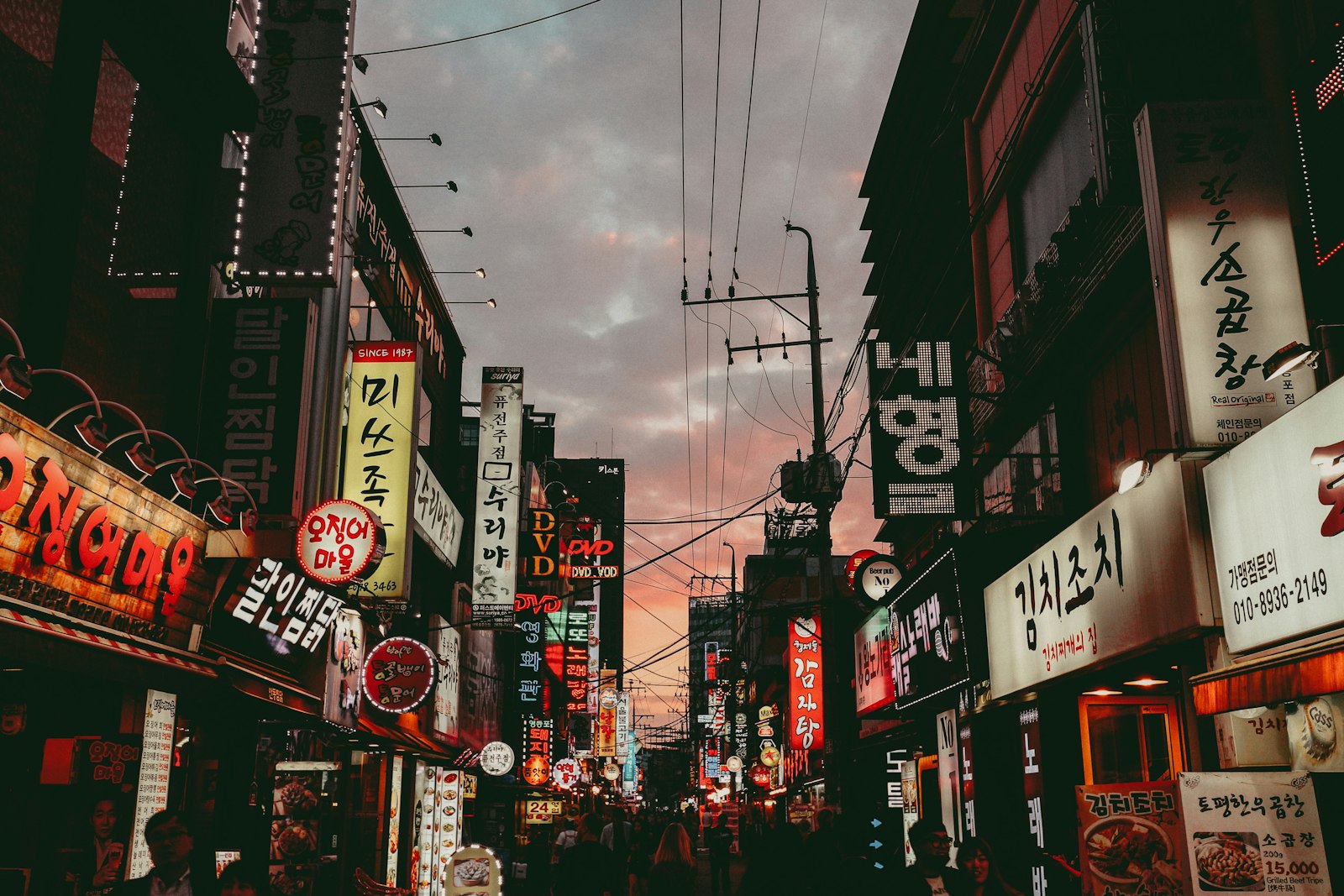
Your first week in Korea, you get sick. Nothing dramatic — a sore throat, maybe a low fever — but you're standing in front of a pharmacy wondering if you can just walk in and buy something, or if you need a doctor, and by the way, are you even insured yet? The short answer: probably not. The longer answer is what this post is about.
Korea's national health insurance is genuinely one of the best things about living here. Once you're enrolled, a visit to the doctor costs next to nothing. But getting to that point involves a few weeks of bureaucratic limbo that nobody warns you about, and there are a handful of things that regularly blindside new arrivals. Let's go through all of it.
So Who Actually Has to Sign Up?
The short version: if you're staying more than six months and you have an ARC (Alien Registration Card), you're in. Mandatory. Not optional.
The National Health Insurance Service (NHIS / 국민건강보험공단) covers essentially all foreigners on long-stay visas — E-series visas for teachers and workers, D-series for students and business, F-series for residents and family, and H-series for working holiday. Short-term tourist visas (C-3) are exempt because you're not supposed to be here long enough to need it.
One thing that confuses people: the ARC is the key, not the visa itself. You cannot enroll in NHIS without your ARC in hand. This matters a lot, as we'll get to.
The Gap Period Nobody Tells You About
This is the single biggest pain point for new arrivals, and honestly, most people only find out about it when they actually get sick.
Here's the math: You arrive in Korea. You have 90 days to apply for your ARC. After you apply, it takes somewhere between two and four weeks to receive your card — sometimes six to eight weeks in busy seasons like March (when universities start) or September. NHIS enrollment only happens after you physically have your ARC. If you're employed, your employer does the enrollment, but again — only after the ARC arrives.
So from the day you land, you're looking at a gap of roughly four to eight weeks where you have zero coverage. During that window, if you need a doctor, you pay 100% out of pocket.
Here's the thing though: Korean healthcare is remarkably affordable by Western standards even without insurance. A clinic visit runs around ₩10,000–30,000. A prescription from the pharmacy is ₩5,000–20,000. Even an ER visit, while uncomfortable to think about, typically lands in the ₩100,000–500,000 range depending on what they're doing. If you're from the United States, these numbers will make you laugh. If you're from somewhere with universal care, they're manageable too.
The practical advice for the gap period: bring travel insurance from home that covers your first two to three months in Korea. World Nomads and SafetyWing are popular options among expats and relatively easy to set up before you leave. Don't stress too much, but also don't schedule any elective procedures while you're waiting on your ARC.
If Your Employer Signs You Up (Workplace Subscriber)
If you're employed at a company with five or more workers, your employer is legally required to enroll you in NHIS and pay half your premiums. You don't have to do anything except tell HR when your ARC arrives.
The contribution rate held steady at 7.09% through 2025, then rose to 7.19% in 2026 — meaning the employee share is now approximately 3.6% of gross monthly salary. There's also a long-term care insurance add-on that tacks on a small percentage of your health premium on top of that. For the exact current figure, check nhis.or.kr directly.
To make it concrete: if you're earning ₩3,000,000 a month (roughly $2,200 USD), you're paying around ₩106,350 in health insurance per month. Your employer kicks in the same. It shows up as "건강보험" on your payslip. If you don't see that deduction, ask HR directly — some smaller employers (particularly hagwons) have been known to either delay enrollment or sign people up for a private accident-only plan that isn't NHIS. That's not the same thing. It's worth confirming.
Your NHIS card arrives by mail, but you don't really need it. Your ARC number is enough to look up your coverage at any hospital registration desk.
If You're Signing Up Yourself (Regional/Local Subscriber)
Freelancers, self-employed folks, students, and spouses not on an employer plan have to enroll themselves. You're classified as a "regional subscriber" (지역가입자) and your premium is calculated based on income, property, car ownership, and assets — which means the bill is different for everyone.
In practice, most foreigners without significant Korean financial history end up paying somewhere in the ₩100,000–140,000 range per month. The InterNations guide cites about ₩114,000–120,000 (~$85–90 USD) as a typical monthly cost (2024 estimate; verify at nhis.or.kr). That's actually not bad for comprehensive national health coverage.
To sign up: bring your ARC, passport, proof of address, and any relevant documents (enrollment certificate if you're a student, employment documents, relationship certificates if you're on a dependent visa) to your nearest NHIS branch office. You can also call their English-language line at 1577-1000, and some enrollment can be done through the NHIS app (called 더건강보험 in Korean). The NHIS website (nhis.or.kr) is mostly Korean, so the phone line is honestly your best friend if you're not yet comfortable navigating Korean sites.
What Does It Actually Cover?
The system covers 50–80% of most medical costs, with you paying a co-pay for the rest. That co-pay varies by the type of facility you're visiting. At a small local clinic (의원), you're typically paying 20–30% of the bill. At a large teaching hospital, it climbs to 50–60% — which is why Koreans are generally encouraged to visit smaller clinics first and get a referral if they need a specialist. Walk straight into Samsung Medical Center for a GP appointment and you'll pay more than if you started at the neighborhood clinic.
Regular doctor visits, hospitalizations, surgeries, emergency care, prescriptions, and even some dental work and Korean traditional medicine (한의원) are all covered to varying degrees. There are also free annual health checkups available, though the exact eligibility depends on your enrollment type.
What's not covered: cosmetic procedures, LASIK, orthodontics, dental implants (unless you're over 65), most fertility treatments beyond a certain threshold, private hospital rooms, and anything happening outside of Korea. No overseas coverage at all — if you're traveling, you need separate travel insurance.
One thing that surprises people: prescriptions are not given out at the clinic. After you see the doctor, you take your prescription slip to a separate pharmacy nearby. Korea has a strict separation between prescribing and dispensing medication. It's not a big deal once you know it's how things work, but the first time you walk out of a clinic and realize you still need to find a pharmacy, it's slightly disorienting.
The Surprise Retroactive Bill
Since 2019, NHIS has been automatically enrolling foreigners on long-stay visas after six months from arrival — even if you never signed up yourself. This sounds convenient, but it has caught many people off guard because the bills are sent in Korean and the automatic enrollment isn't always communicated clearly.
If you've been in Korea for more than six months and haven't received any NHIS paperwork or premium bills, it's worth checking. You may already be enrolled and have unpaid premiums accumulating. Call 1577-1000 to check your status.
A Few More Things Worth Knowing
Major university hospitals like 서울대병원, 삼성서울병원, 세브란스, and 아산병원 all have international clinics with English-speaking staff. If you're anxious about navigating the language barrier, these are the places to go for anything more than a simple cold.
You can pay your NHIS premiums in impressively Korean ways: at any GS25, CU, 7-Eleven, or other major convenience store, via bank transfer, or through the app. There's something very on-brand about paying for national health insurance at a convenience store at midnight.
If your situation changes — new job, end of job, visa change — your insurance status changes too. Switching employers means re-enrollment, and there can be a short gap between the old plan ending and the new one starting during which you temporarily fall into the regional subscriber category. Keep an eye on it, especially if there's a payroll delay.
For the most current premium rates and to verify anything specific to your visa type or situation, go directly to nhis.or.kr or call 1577-1000. The English phone line is genuinely useful and the staff are patient.
Korea's health system isn't perfect, and the enrollment process for foreigners is more opaque than it should be. But once you're in, it's genuinely good coverage for a very reasonable price. Just plan for the gap, get your ARC sorted as early as possible, and check your payslip once the salary hits.