It's 11 PM on a Tuesday and your bones are sore. You've been standing at a desk all day, the Seoul wind outside has been doing its worst, and a friend mentions they're heading to the jjimjilbang. You've heard the word before. You're not entirely sure what it involves. You're slightly worried it involves more nudity than you're prepared for on a Tuesday.
Reader, it does involve nudity. But also, you should go.
So What Even Is This Place?
"Jjimjilbang" literally translates to "poultice room," which doesn't exactly sell it — but stick with us. It's a multi-floor leisure complex built around heat therapy, and calling it a sauna is about as accurate as calling a restaurant a "kitchen." Yes, there are saunas. But there's also a bathhouse, a restaurant, sleeping mats on a heated floor, TV rooms, massage chairs, and in some cases a full noraebang (karaoke), PC bang, nail salon, and exercise room. The concept became a mainstream pillar of Korean leisure culture in the 1990s, and it hasn't slowed down since.
The terminology can trip you up, so here's the quick breakdown. A 목욕탕 (mogyoktang) is an older neighborhood public bathhouse — smaller, simpler, gender-segregated, naked throughout. A jjimjilbang contains a mogyoktang, but extends into a multi-use complex where men and women mix freely in provided uniforms. And the individual kiln sauna rooms you'll find inside? Those trace their roots to 한증막 (hanjeungmak) — dome-shaped, medicinal, going back to the Joseon Dynasty in the 15th century. You're not just sweating for fun; you're sweating historically.
Okay, But What Do I Actually Do When I Walk In?
This is where first-timers tend to freeze at the entrance, blocking traffic and looking confused. Here's the sequence, so you don't have to be that person.
Remove your outdoor shoes at the entrance and store them in a small locker. Head to the front desk, pay your admission fee, and receive: a locker key or wristband, two small towels, and a color-coded uniform — typically pink or patterned for women, blue or grey for men. For a mid-range jjimjilbang, expect to pay somewhere in the ₩8,000–₩15,000 range; premium spots like Dragon Hill Spa or Aquafield run ₩16,000–₩35,000 depending on time and day.
That wristband is your lifeline inside. Every purchase — food, body scrub, massage, drinks — gets charged to it. No need to carry cash once you're in.
Find the locker matching your key, put everything away, and head into the gender-segregated bathhouse area (mogyoktang). This is the naked part. There is no swimwear here — wearing one draws stares and signals tourist. Koreans at the jjimjilbang are genuinely not scrutinizing your body; they're there to relax, not judge.
You shower first. This is non-negotiable, culturally and practically. Sit at a low shower station, wash thoroughly, and then the pools and steam rooms are yours. While you're in the bathhouse area, seriously consider booking a 세신 (seshin) body scrub — an attendant scrubs away a remarkable amount of dead skin with a rough mitt called an "Italy towel." It costs ₩15,000–₩30,000 and is thoroughly worth it. Just give your wristband to the attendant when you enter; they'll call your number.
After the bathhouse, pull on your uniform and join the mixed-gender world upstairs.
The Jjimjilbang Floor: Where It All Happens
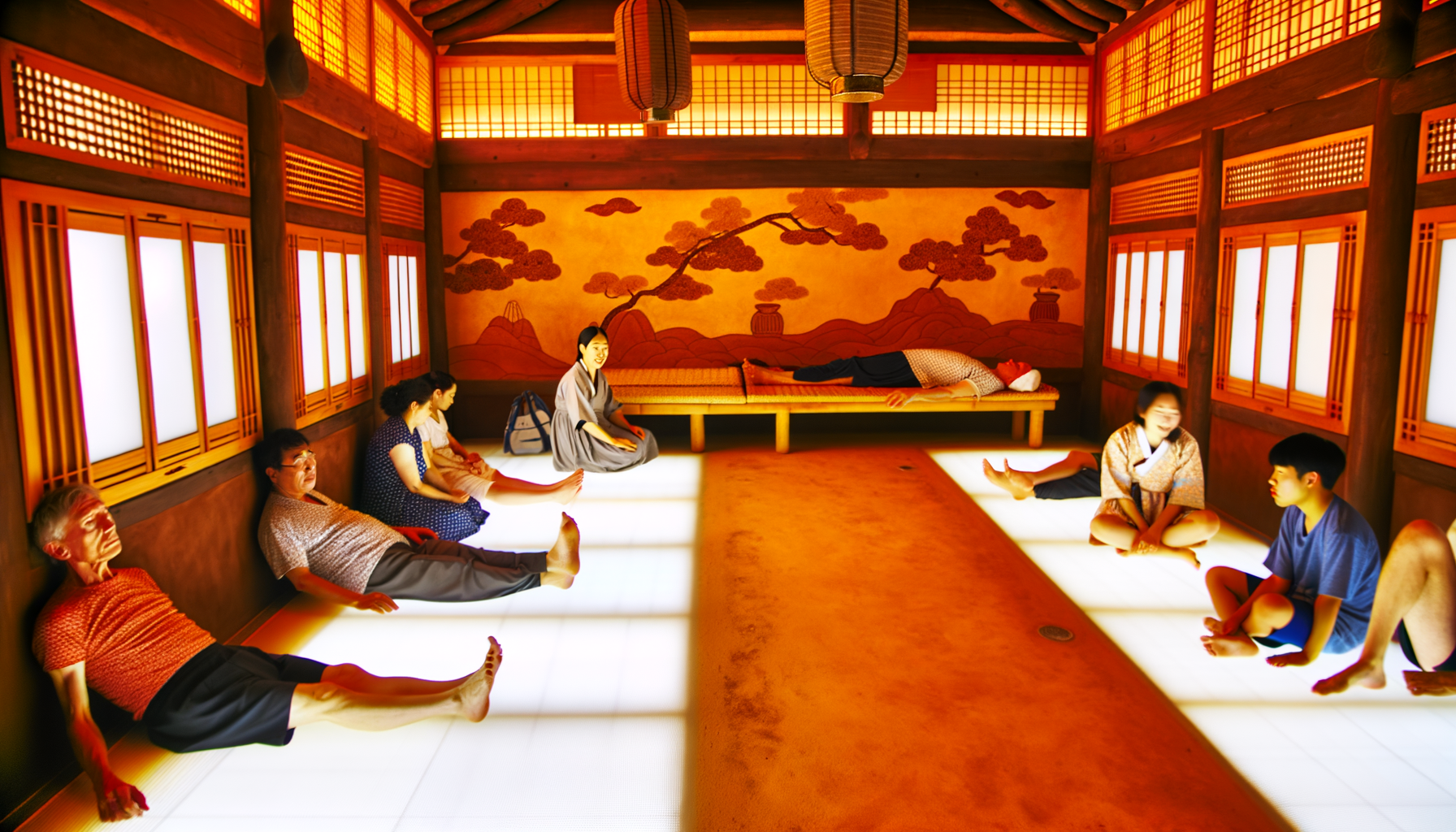
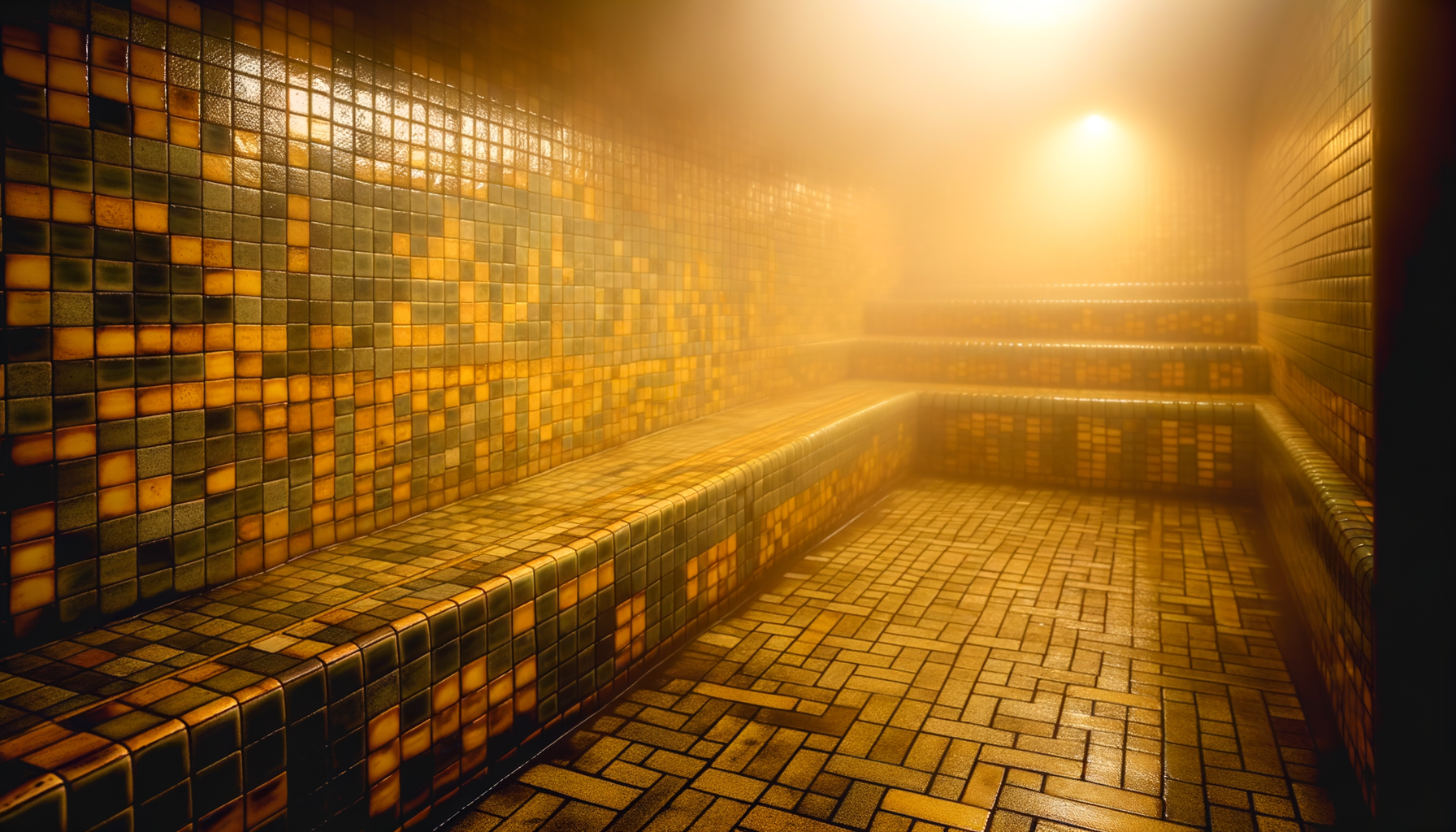
The main floor is where things get interesting. You'll find a row of themed heated rooms — charcoal, jade, salt, ice (yes, some have cold rooms too) — with temperatures ranging from a mild 15°C to a punishing 50°C. Each room is labeled. In the dome or charcoal rooms, you sit or lie on a low wooden ledge, try to breathe steadily, and emerge looking thoroughly defeated. This is the correct outcome.
Most people wrap their head in a towel turban — 양머리 (yang meori) — while sitting in the heat rooms. It looks absurd. Do it anyway. It's part of the experience, Koreans of all ages do it, and you will feel strangely at home once your head is a small fabric sheep.
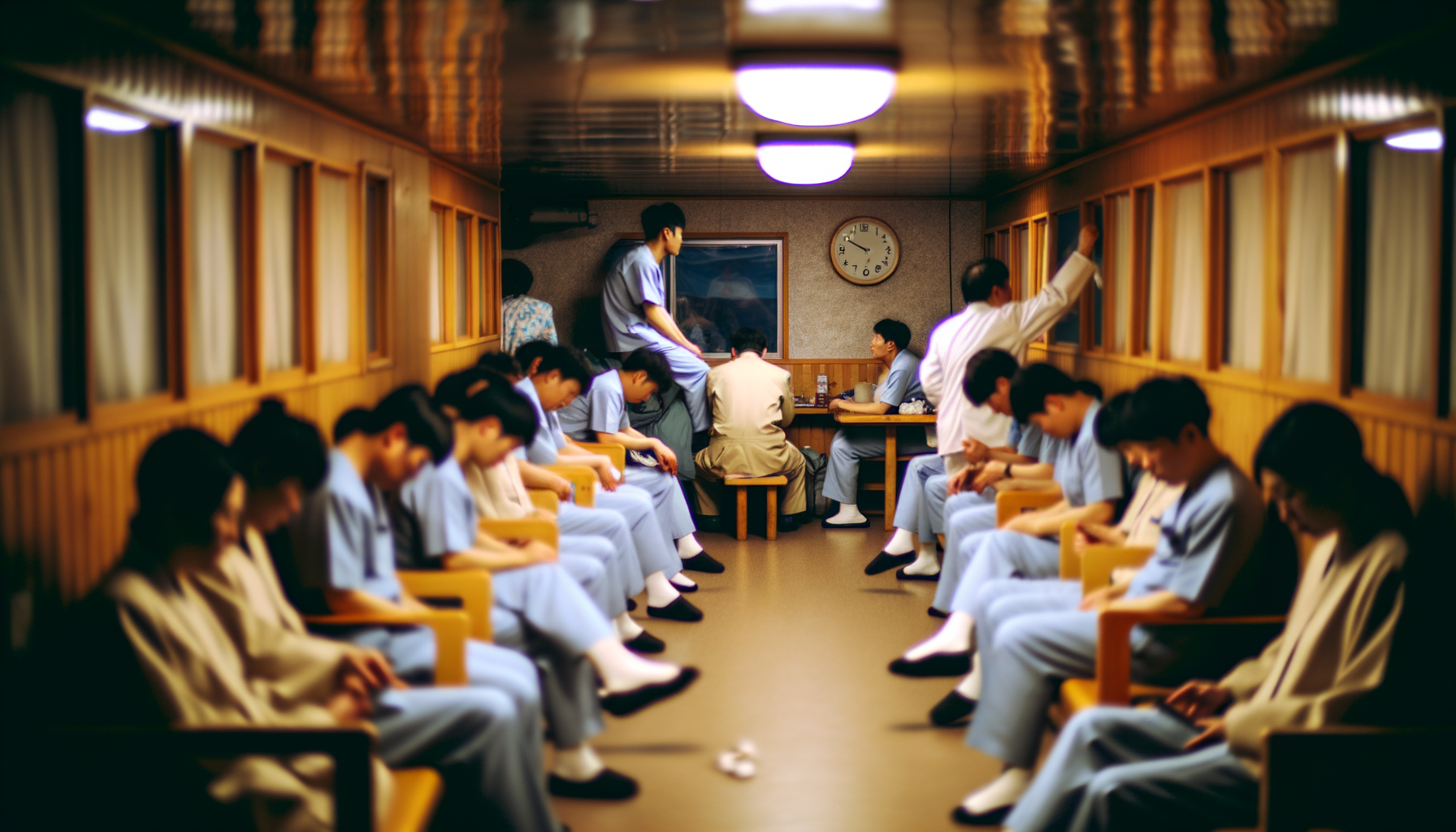
Outside the kiln rooms, the common area has sleeping mats spread on an ondol-heated floor. People nap here. Families sprawl out with pillows. Couples watch the TV on the wall. It's 2 AM and nobody thinks this is strange, because many jjimjilbang are open 24 hours and overnight stays are perfectly normal — useful for late-night travelers, budget backpackers, and anyone whose last train has already left. You pay the entry fee once and stay as long as you like.
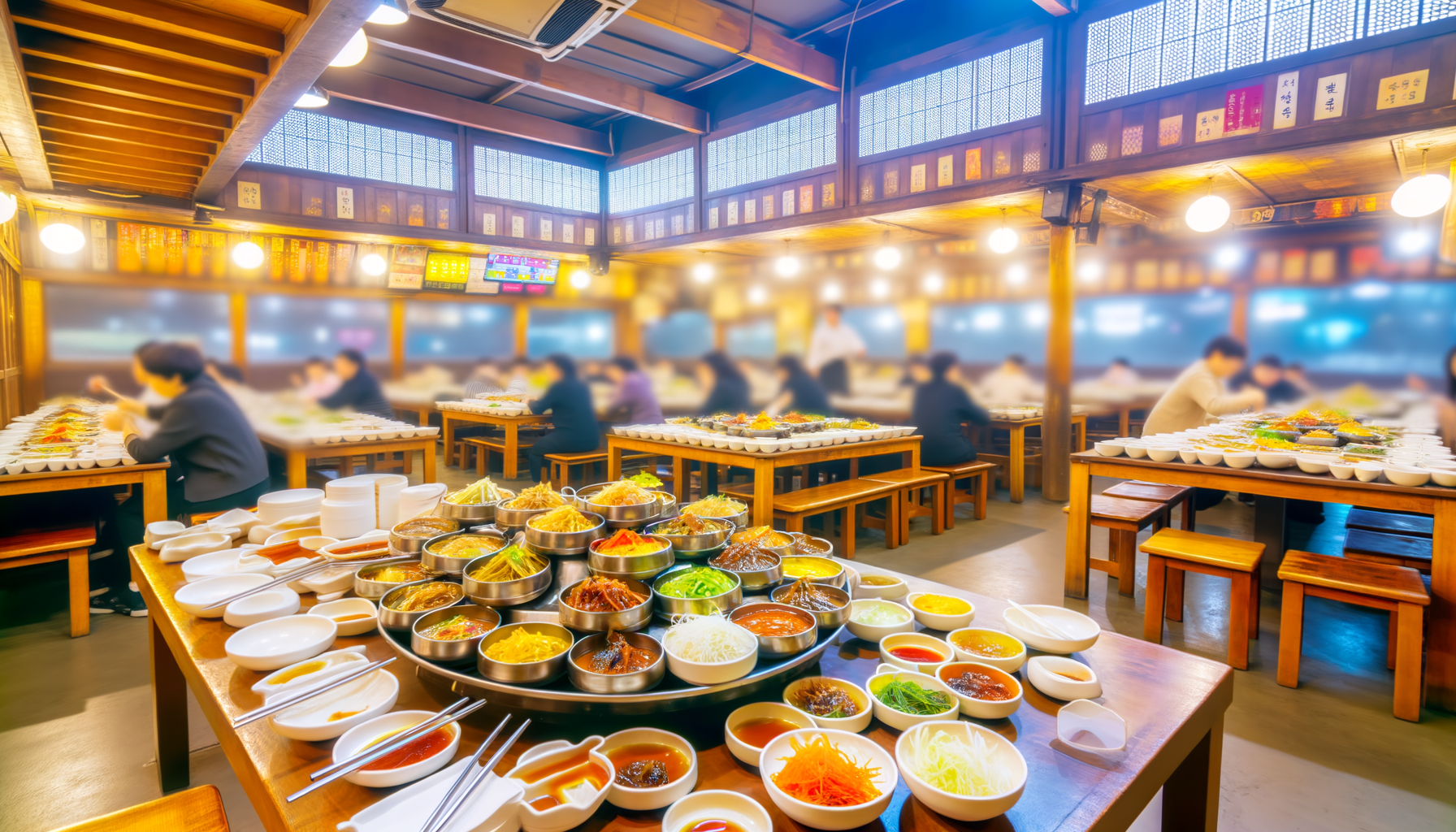
The snack bar sells the jjimjilbang classics: sikhye (sweet rice punch), roasted eggs, ramyeon. Expect ₩3,000–₩15,000 per item, all charged to your wristband.
A Few Things That Will Make or Break Your Visit
Your phone is technically allowed in the common areas, but taking it into the naked bathhouse is a serious etiquette violation. Photography in the wet areas is absolutely off-limits. Keep phone use discreet in the common area, and skip the sauna room selfies — it ruins the vibe for everyone else.
The swimwear rule one more time: don't wear a swimsuit in the mogyoktang. The stares aren't hostile; they're just confused.
Going with a mixed-gender group? Completely fine and extremely common. You'll split up for the bathhouse section, then meet up in your uniforms upstairs. Children under 7 can enter the gender-segregated bathhouse area with either parent.
If staying overnight, bring earplugs. The communal sleeping floor is peaceful until it isn't, and a champion snorer three mats over is a genuine possibility.
What About Tattoos?
Korea is considerably more relaxed about this than Japan. There is no national law banning tattooed guests from jjimjilbang. Most mid-range and local spots welcome tattooed guests without any issue at all. Some upscale or traditional facilities may have their own policies — it's worth checking directly with the specific place if you have prominent tattoos. Multiple expat regulars with tattoos report never having had a problem. Any restrictions that exist in Korean facilities tend to be venue-specific and often unenforced even where they technically apply.
Where to Go in Seoul
Dragon Hill Spa (near Yongsan Station, Lines 1 and Gyeongui-Jungang) is the tourist-friendly powerhouse — multiple themed saunas, a rooftop pool, 24-hour access, and staff who sometimes speak basic English. Entry runs around ₩16,000–₩20,000 depending on the day. Check their current pricing directly before visiting.
Siloam Sauna (Seoul Station area) is the opposite experience: old-school, no-frills, around ₩9,000, open 24 hours. Deeply authentic, popular with Korean businessmen and budget travelers, zero hand-holding.
Aquafield (Hanam is the nearest branch to central Seoul) is the premium end — more resort than traditional bathhouse, multiple themed saunas, outdoor pools, higher price point. Check their site directly for current admission fees and time limits.
Sparex (Dongdaemun area) is frequently recommended as particularly foreigner-friendly and affordable. A good first option if Dragon Hill feels like too much.
Getting Out
When you're done, head back to your locker, rinse off if you like, drop used towels in the bins, return your key or wristband to the cashier, and pay for anything you charged during your stay. You're back in the real world, considerably more relaxed than when you arrived, and probably a few shades pinker.
Budget three to five hours for a proper visit. For an overnight stay, budget for the earplugs and no regrets.