It's late September and you've just dragged your groceries home from a long week. You decide to grab dinner at your usual spot around the corner — the one with the handwritten menu you've been slowly learning to read. You walk up. Metal shutters down. A paper note in Korean you can't quite parse. You try the place next door. Also closed. And the one after that. It's Chuseok. You didn't know. Now you're eating convenience store triangle kimbap for what will become, in hindsight, a very memorable holiday.
If this sounds familiar, you're not alone. Korean public holidays — especially the two big ones — operate on a level foreigners rarely anticipate. This guide will make sure you're never caught off guard again.
So How Many Holidays Are There, Actually?
South Korea has 16 official public holidays in 2026, which is more than you might expect. That number includes substitute days (대체공휴일) — a system introduced in 2013 that kicks in when a holiday falls on a Sunday (or, for Seollal and Chuseok, when two holidays overlap). In those cases, the next weekday gets handed to you as compensation. It's a surprisingly generous system once you learn to track it.
The holidays fall into different legal categories: National Celebration Days (국경일), and general Public Holidays (공휴일). Some days have flag-raising requirements without being actual days off — Constitution Day (July 17) being the classic trap. It sounds important enough to be a holiday, and it is a national day, but it was removed from the official days-off list back in 2008. You'll still be expected at work.
Labor Day (May 1) sits in its own awkward middle ground — widely observed, banks are typically closed, most offices shut down, but it's technically governed by a separate labour law rather than the main public holiday regulation. The practical result is nearly identical, but the legal basis is different. If your employer asks you to come in on May 1, it's worth checking the specifics of your contract.
What Actually Closes (and What Doesn't)
On regular public holidays — Children's Day, Hangeul Day, Liberation Day — the main thing you'll notice is that government offices and banks are shut. Most restaurants, cafes, and shops in urban areas tend to stay open. Life carries on fairly normally if you're not trying to file paperwork or visit the post office.
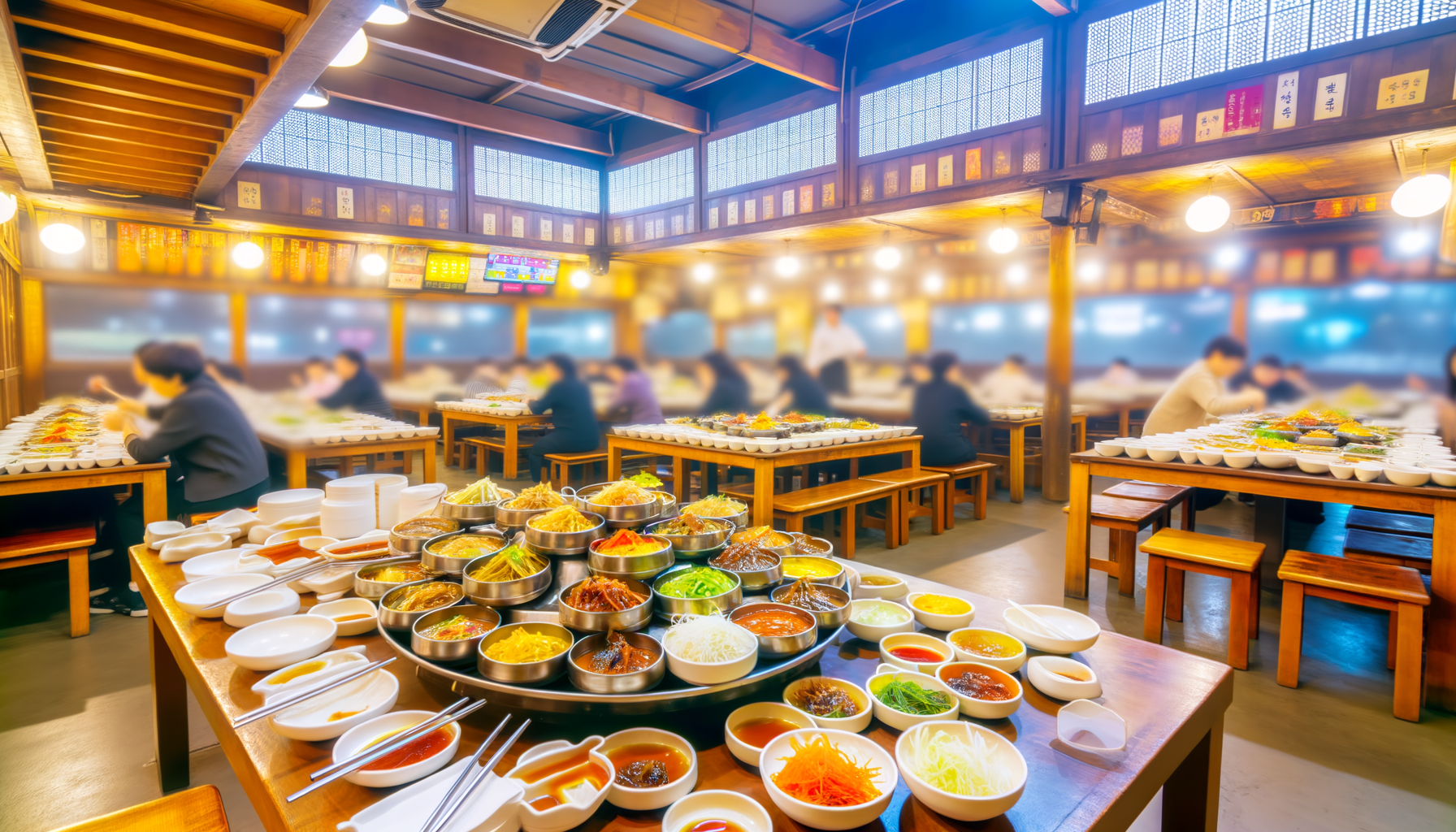
Seollal and Chuseok are a different category entirely. During these two holidays, Korea enters something close to a collective pause. Banks, government offices, schools, most traditional restaurants, local markets, hair salons, dry cleaners, many clinics — the list of things that close is easier to learn than the list of things that stay open.
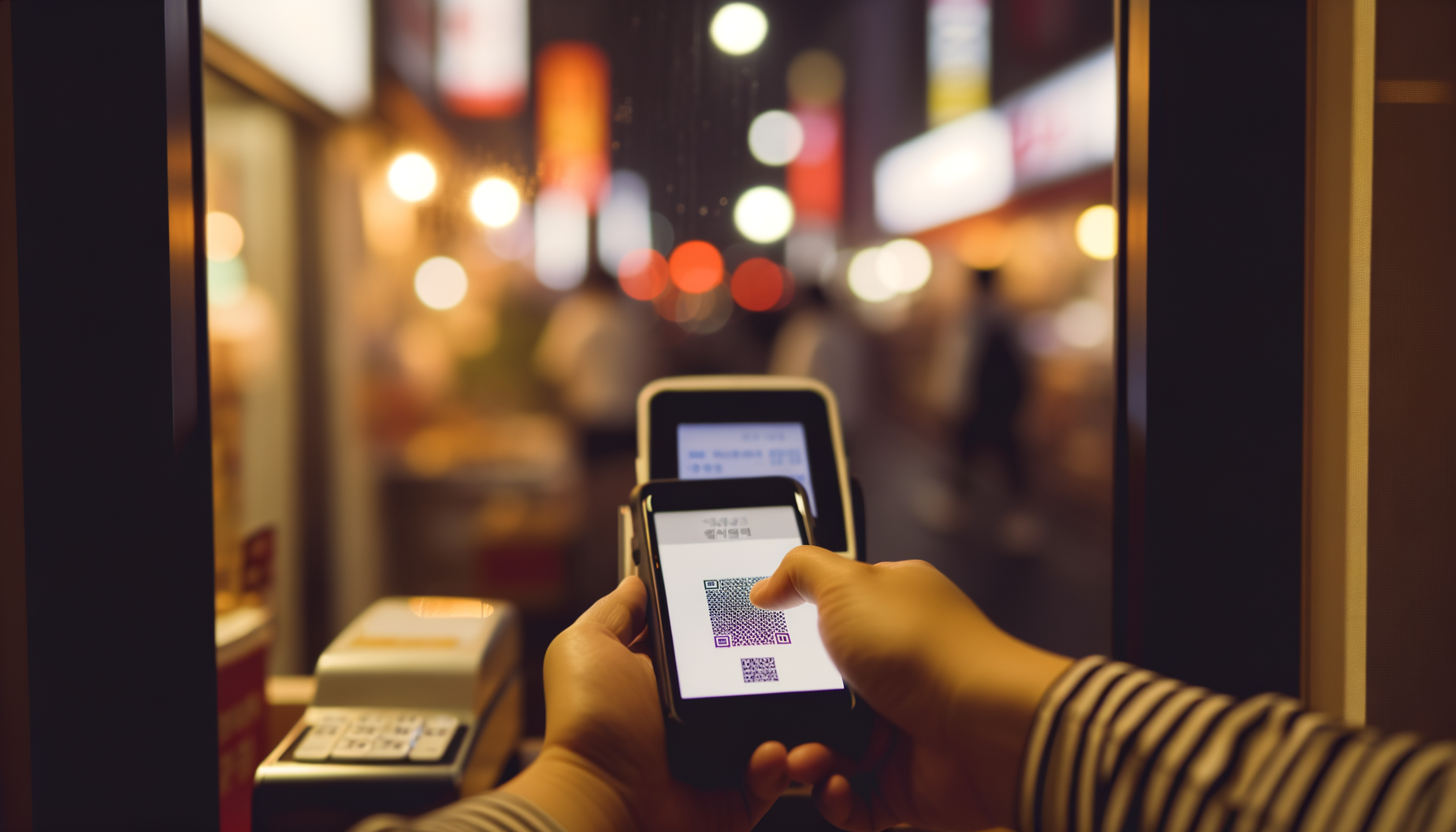
Here's what you can count on staying open: convenience stores (GS25, CU, 7-Eleven, Emart24 — almost always 24/7), emergency hospital services, and public transportation, though expect some schedule reductions. Major supermarkets like Emart and Lotte Mart are often open on regular public holidays with normal hours, but may close or reduce hours on the main day of Seollal or Chuseok — check with your local store before you plan your shopping run. Some tourist-area restaurants and places in Myeongdong or Hongdae stay open too, since tourists don't disappear just because the locals have gone home.
The golden rule: before Seollal or Chuseok, stock up on groceries two or three days early. Your convenience store is your best friend for the duration.
Seollal: The One That Matters More Than January 1st
Seollal (설날) is the Korean Lunar New Year, falling on the first day of the first lunar month. In 2026, that's February 17, with the official holiday spanning February 16–18. If you thought the December 31st countdown was a big deal in Korea, think again — Gregorian New Year (January 1) is essentially a one-day affair. Seollal is the real beginning of the year.
The holiday was actually suppressed during the Japanese colonial period (1910–1945) and only officially reinstated in 1989, which gives it a particular cultural weight. Koreans who can travel home. Tens of millions of people. The transport system strains under what gets called the "Great Migration" (민족대이동). KTX tickets for the days around Seollal sell out within minutes of going on sale, which is usually about a month before the holiday.
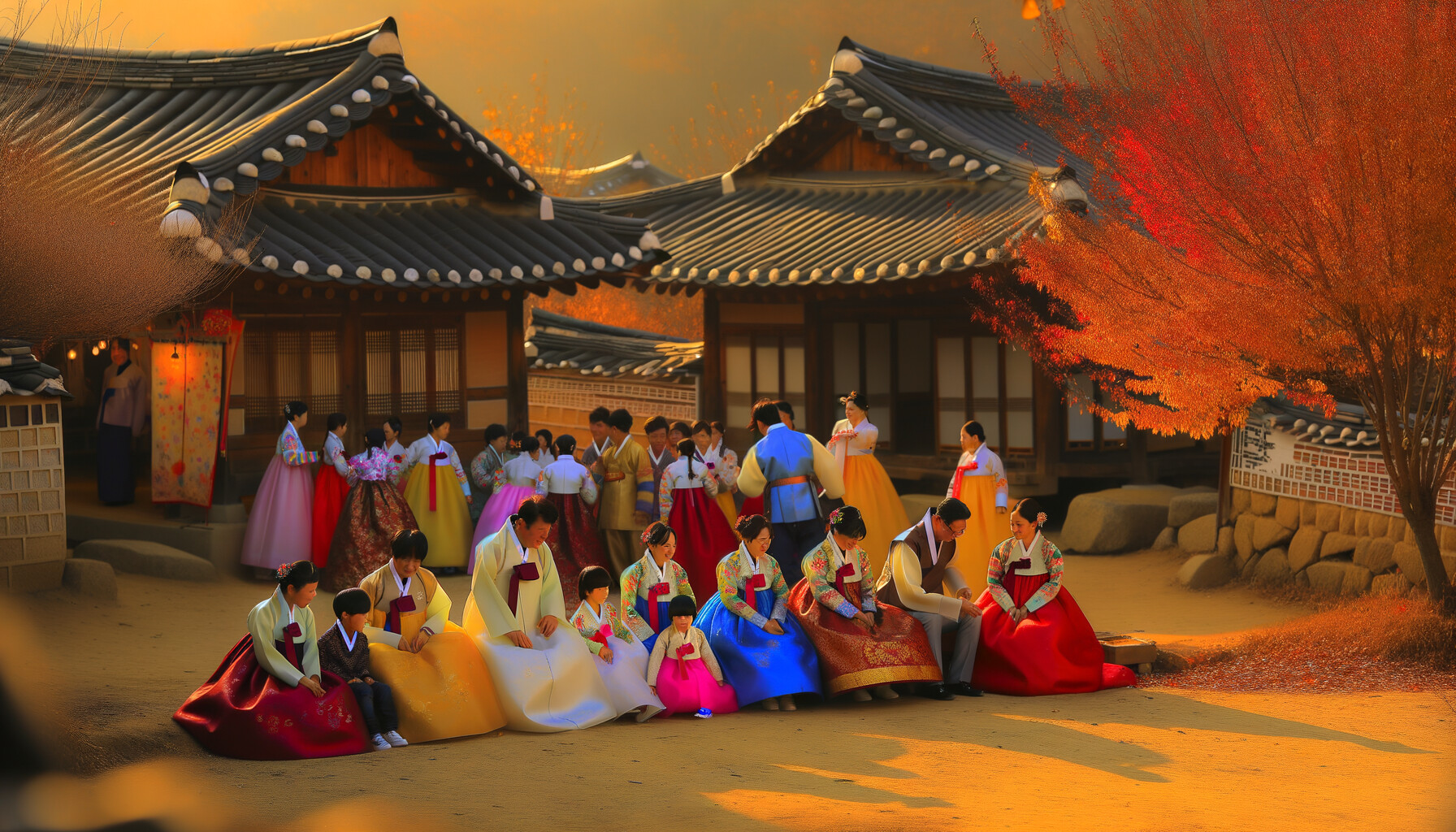
At home, families perform charye (차례) — ancestral memorial rites held on Seollal morning, with food offerings arranged for the ancestors. Children perform sebae (세배), a deep formal bow to elders accompanied by the phrase "새해 복 많이 받으세요" ("please receive much fortune in the new year"). In return, elders give sebae-don (세뱃돈) — cash tucked into white envelopes. The food of the day is tteokguk (떡국), rice cake soup, and eating a bowl is said to make you one year older.
If a Korean colleague invites you to celebrate with their family, go. Bring a gift — a nice fruit set, some packaged sweets, or a cake from a bakery. Budget around 20,000–50,000 KRW, present it with two hands, and follow your host's lead. You don't need to get everything right. The effort is what counts.
Chuseok: Korean Thanksgiving (But Not Quite)
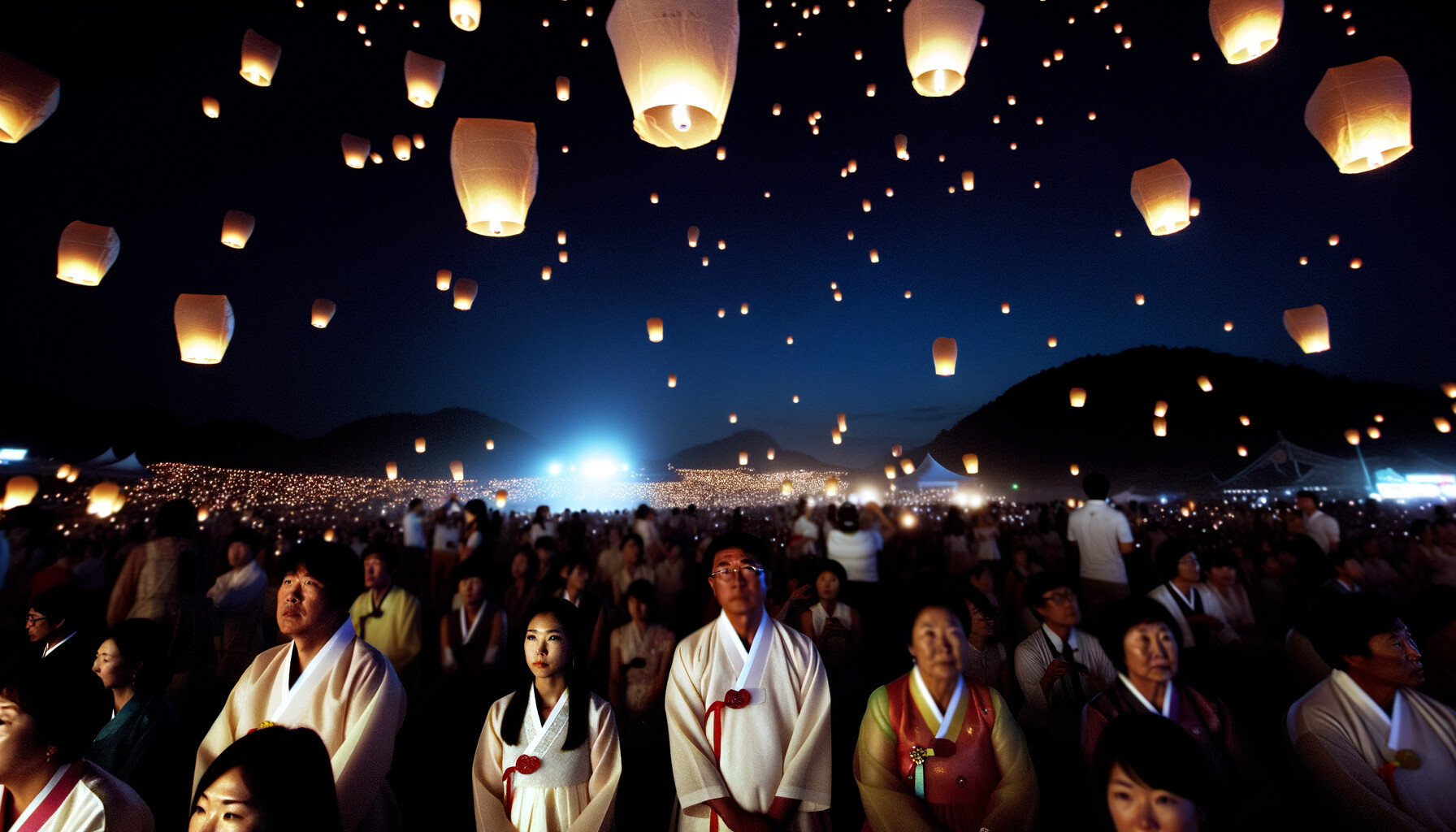
Chuseok (추석) falls on the 15th day of the 8th lunar month — always a full moon — and is the second of Korea's two massive holidays. In 2026, the main day is September 25, with the official holiday spanning September 24–26. It's often described to foreigners as "Korean Thanksgiving," and the comparison works up to a point: harvest festival, family gathering, a lot of food. But the roots are older and the customs are different.
Families travel to ancestral hometowns for seongmyo (성묘) — visiting and tidying ancestral graves — and charye rituals. The iconic food is songpyeon (송편), half-moon-shaped rice cakes stuffed with sesame, sweet beans, or chestnuts and steamed on pine needles. Alongside those you'll find japchae (glass noodles), various jeon (savoury pancakes), bulgogi, and more traditional Korean confections than you've ever seen in one sitting.
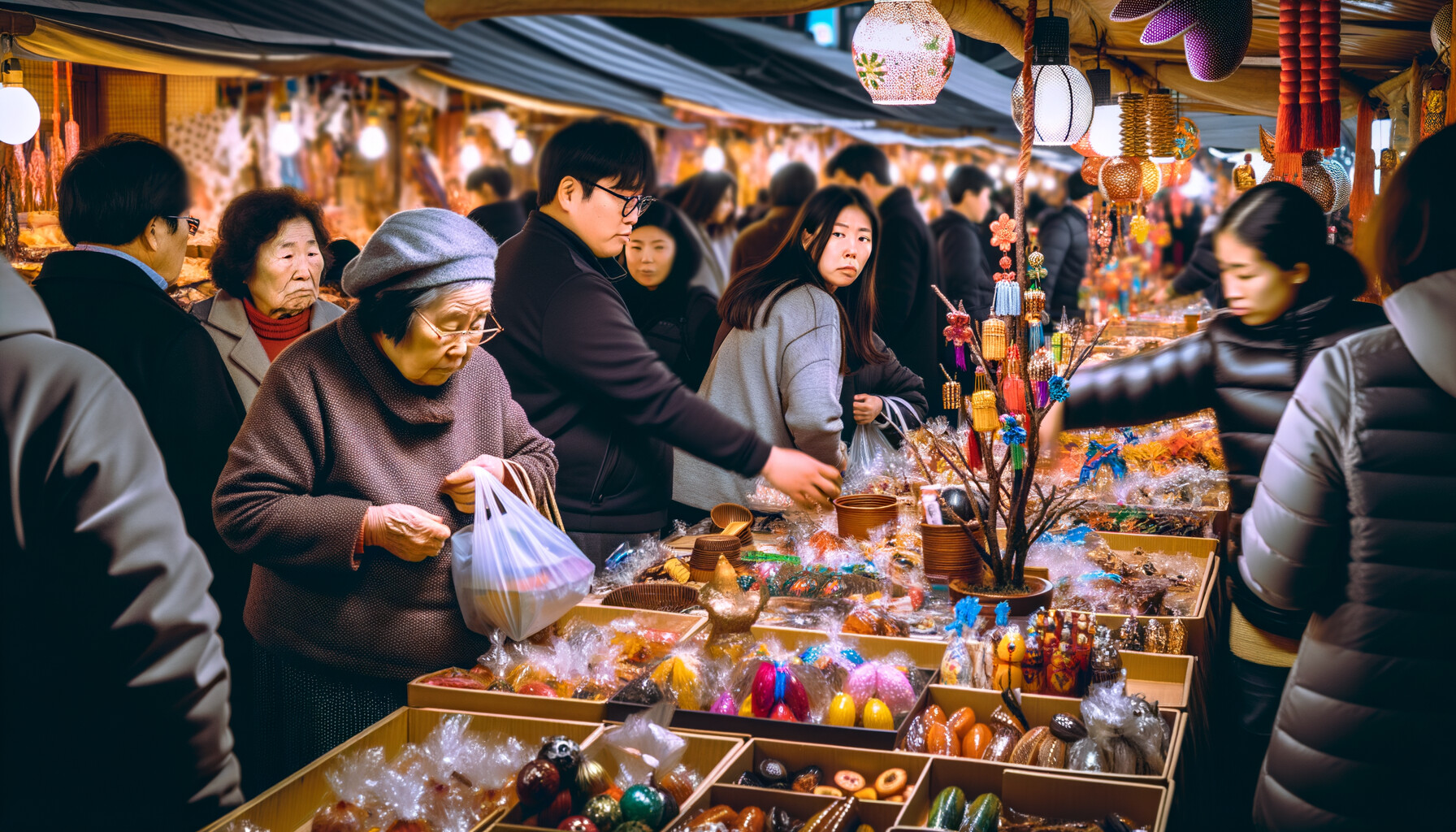
Gift-giving is enormous at Chuseok. Gift sets appear in every department store and hypermarket for weeks beforehand — premium fruit boxes, red ginseng products, Hanwoo beef, and the thing that surprises most foreigners: Spam. Spam gift sets are genuinely prestigious here, and a nice set in the 30,000–60,000 KRW range is a perfectly respectable thing to give a colleague or a neighbour.
One cultural detail worth knowing: the research on "명절 증후군" (Myeongjeol Syndrome, or Holiday Syndrome) documents a real phenomenon where many Koreans — particularly women — experience significant stress and burnout from the demands of holiday preparation. If your Korean friends seem frazzled in the run-up to either major holiday, this is likely why. It's not just travel stress.
If You're Working: Know Your Rights
Since 2022, the public holiday protections that previously applied mainly to government workers were extended to all private-sector employees in Korea. That includes you, regardless of visa type. If your employer asks you to work on a public holiday, you're legally entitled to 1.5× your regular pay (called 가산수당, or premium pay) or an agreed compensatory day off.
The 52-hour work week cap, in force since 2020, also counts public holiday work toward your weekly total. Enforcement is imperfect — particularly at smaller businesses — but the legal framework is clear. If you believe your rights are being violated, the Ministry of Employment and Labor (고용노동부) is the correct contact. Foreigners have the same labour rights as Korean nationals. Full stop.
One caveat worth noting: businesses with fewer than five employees have historically operated under different rules under the Labor Standards Act, so if you're working for a very small operation, check the specific regulations applicable to your situation, or verify directly with the ministry.
The 2026 Holiday Calendar at a Glance
To quickly orient yourself: January starts with New Year's Day. Seollal comes in mid-February. Independence Movement Day (삼일절) is March 1 — with a substitute Monday on March 2 since March 1 falls on a Sunday. Children's Day is May 5. Buddha's Birthday is late May. A Local Election Day on June 3 is a 2026-specific public holiday that won't appear on a standard evergreen calendar. Memorial Day is June 6. Liberation Day is August 15 (substitute on August 17). Chuseok runs late September. National Foundation Day (개천절) is October 3 (substitute October 5). Hangeul Day is October 9. Christmas is December 25.
Constitution Day (July 17) appears on national day lists but is not a paid day off — double-check with your employer if you're unsure.
For anything date-sensitive, the safest approach is to verify directly against the official Korean government calendar or timeanddate.com closer to the date — substitute holiday calculations occasionally shift, particularly for cases like Chuseok falling on or near a weekend.
Korea's holiday calendar rewards the prepared. Stock the fridge, book your trains early, and learn the greetings. "즐거운 추석 되세요" for Chuseok, "새해 복 많이 받으세요" for Seollal. You won't regret it.