TL;DR: LG TROMM heat pump dryer ($370-$740) dramatically improved studio apartment living by eliminating drying rack space issues - clear buy recommendation.
If you asked me what household chore I hated most while living alone, I'd instantly say drying laundry.
The washing machine does its part just fine, but what comes after? In a studio apartment with no balcony, you have to set up a drying rack right in the middle of your room — and just like that, your tiny living space vanishes. In summer, high humidity means clothes take two days to dry. During monsoon season, they'd sit damp for 3~4 days, developing that musty smell we all dread.
After enduring this for too long, I finally caved and bought a dryer. The LG TROMM Dual Inverter Heat Pump dryer. Bottom line: it's the single biggest quality-of-life upgrade I've made since living on my own.
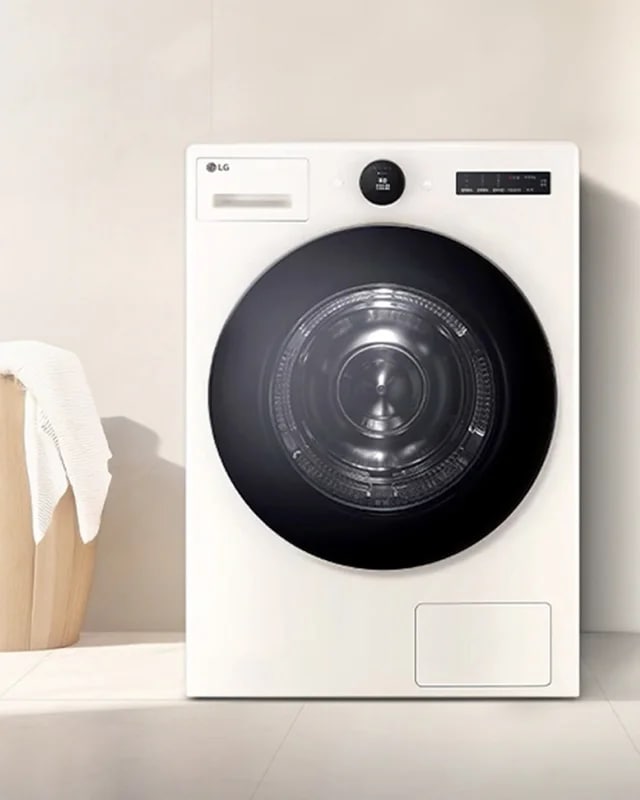
Why did you hesitate before buying this dryer?
At 500,000~1,000,000 KRW ($370~$740), it's not pocket change for someone living alone. People around me kept saying things like "Won't your clothes shrink?" and "Aren't you worried about the electricity bill?"
But the tipping point came during monsoon season when I couldn't dry my laundry for four days straight and my towels started smelling like mildew. Re-washing didn't help — they'd just end up damp on the rack again. That's when I realized: this isn't a willpower problem, it's an environment problem. I bought it the next day.
What made you choose heat pump technology?
There are three main dryer types:
| Type | Pros | Cons |
|---|---|---|
| Electric heater | Affordable ($220~$370) | High power draw (2,200W+), harder on fabrics |
| Heat pump | Low-temp drying, only ~900W | Higher upfront cost, slightly longer cycles |
| Gas | Fast drying | Requires gas line, tricky installation |
The key factor was electricity cost. Heat pump dryers draw about 900W — roughly 40% of what heater-type dryers use (2,200W). LG's Dual Inverter model takes it further with twin cylinders for even better efficiency.
In practice, one drying cycle costs about 100~120 KRW ($0.07~$0.09). Running it 3~4 times a week, the monthly electricity increase is around 7,000~9,000 KRW ($5~$7). The "dryers destroy your electricity bill" myth applies to heater-type dryers. With heat pump? It's literally the cost of a cup of coffee.
Does it really transform how towels feel?
This was the very first thing I noticed after getting the dryer.
Air-dried towels are stiff — especially older ones that feel more like sandpaper than fabric. But dryer-tumbled towels get air fluffed between the fibers, making them hotel-level soft and fluffy.
I touched mine after the first cycle and literally thought "Is this even my towel?" A friend came over, used one after washing their face, and asked where I bought it. When I said "It's just a regular towel, I put it in the dryer," they bought a dryer the following month. True story.
It's not just towels either. Duvet covers, pillowcases, and cotton t-shirts all come out soft instead of stiff. Once you get used to this texture, there's no going back to air drying.
How did it change your laundry routine?
Before: Washing machine → Unfold drying rack → Hang everything piece by piece → Wait two days → Flip the damp ones → Wait another day → Finally fold
Now: Washing machine → Dryer → Fold and put in drawers. Done.
Being able to finish all laundry the same day you wash it is incredibly liberating. I can wash duvet covers in the morning and sleep under them that night. Gym clothes get the same-day wash-dry-wear-tomorrow treatment.
Plus, without the drying rack taking up space, my apartment feels noticeably bigger. You don't realize how much floor space those racks steal until they're gone.
What should you check before installing it?
Skip these and you might waste money — so read carefully.
1. Stacking (Dryer on Top of Washer)
In a studio apartment, this is practically essential. With a dedicated stacking kit, you can place the dryer on top of a front-loading washer with zero additional floor space. Important: this only works with front-loaders. You cannot stack on top of a top-loading washer. Check your washer model before purchasing.
2. Dedicated Outlet
Dryers cannot be plugged into a regular power strip. They need a dedicated 220V outlet with a direct connection. Usually there's a spare outlet near the washing machine, but if not, you may need electrical work done. Check this before the installation technician arrives.
3. Drainage Method
Two options:
- Water tank: Condensed water collects in an internal tank that you empty periodically
- Direct drain: A hose connects to your floor drain for automatic drainage
I went with direct drain — once it's set up, you never have to think about emptying a tank. Just connect the hose near your washer's drain.
Do clothes shrink in this dryer?
100% cotton items may shrink slightly in the first 1~2 cycles. That's true. Cheap cotton t-shirts can be noticeably affected.
But there are easy workarounds:
- Buy new cotton clothes one size up, or use the low-temp/delicate cycle initially
- For knits and wool, use the dedicated wool/knit cycle (below 35°C)
- Towels, underwear, socks, duvet covers, activewear → any cycle is fine
Honestly, 80%+ of everyday laundry goes in worry-free. Avoiding a dryer because of shrinkage concerns is like not buying a car because it might rain.
How does it perform during humid weather?
The dryer's MVP season is monsoon. Rain pouring outside, indoor humidity at 80~90%, laundry refusing to dry and just getting smellier on the rack. Toss it in the dryer for two hours and out comes warm, perfectly dry, fresh-smelling laundry.
After surviving one monsoon with a dryer, you'll pat yourself on the back. Guaranteed.
It's great in winter too. Thick sweatshirts and hoodies that take 2+ days to air dry? Done in two hours.
Did it change your appliance priorities?
If I could only add one appliance to a solo living setup, I'd skip the air purifier and robot vacuum and go straight for the dryer. You use it constantly, it saves time and stress every single cycle, and it upgrades your laundry quality.
Especially if you're living alone in a small apartment, stressed about laundry, or struggling every monsoon season — you won't regret it.
Frequently Asked Questions
Q: Are AliExpress home appliances good quality?
Many are surprisingly good for the price. Focus on products with high sales volume (1,000+) and positive reviews (90%+). The key is doing your research before buying.
Q: Do I have to pay customs duty in Korea?
Orders under $150 (about 200,000 KRW) are duty-free. Above that, you may pay 8-13% customs duty depending on the product category.
Q: What if the product arrives damaged or defective?
AliExpress has a Buyer Protection policy. You can open a dispute within 15 days of delivery for a refund or replacement. Always save photos and videos as evidence.
What other products do you recommend?
- Hanil Water Heated Mattress Pad Review: How I Cut My Heating Bill in Half During My First Korean Winter
- LG Whisen Dehumidifier — 1 Year Review: How I Fixed Laundry Smell for Good
- Electric Foot Massager from AliExpress Review — Shiatsu Heated Calf & Foot Relief
This post contains affiliate links.